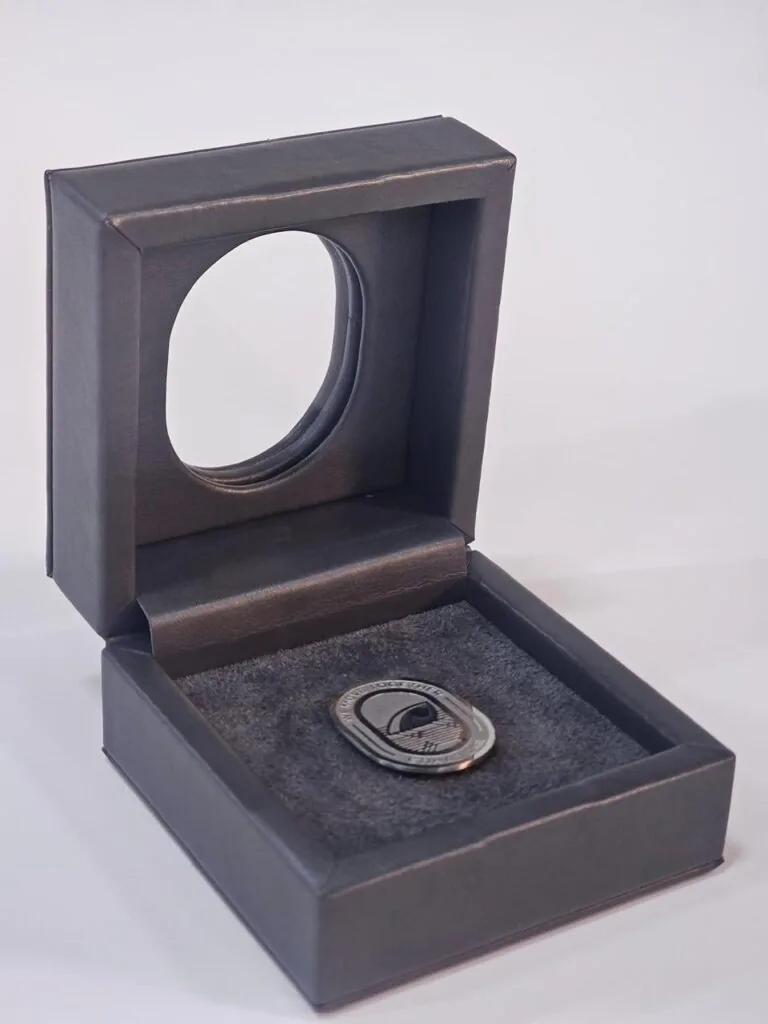

Hampers for refill are really built the second time they are used, even though most are specified for the first. A box that opens once, holds one arrangement of items and then fights the next arrangement is a container, not a gift programme. Designing around the refill is what makes the outer worth keeping.
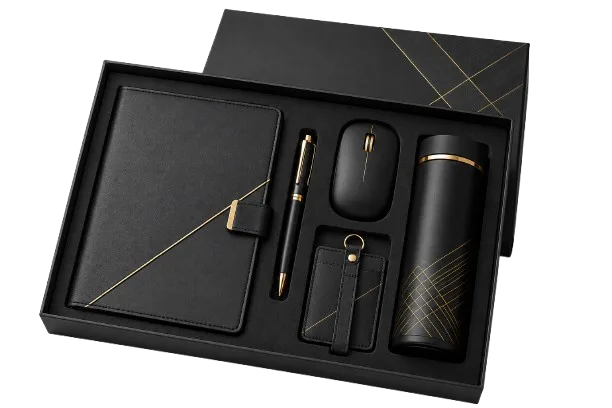
A corporate hamper with a removable insert tray: the outer box stays, and the contents are changed for each round of gifting.
The first opening is the easy one
On the day it arrives everything is in place: the tray is loaded, the ribbon is tied and the card sits on top. The real test comes later, when someone lifts the lid to swap the contents for the next occasion. That is when a glued divider tears, a shallow tray refuses a taller jar, and a printed liner stained at one corner gets cut out and thrown away.
Corporate programmes run on repetition more than on any single event. The same box may go out as a year-end gift, then be refilled for a client visit, then used to hold documents on a desk. Each of those uses asks a little more of the closure, the corners and the lining, and each one exposes any part of the structure that was only ever meant to be seen once.
Keep the outer, change the inside
The most durable arrangement separates the part that carries the brand from the part that carries the goods. Fix the outer in a single specification and let the interior flex between rounds, so a new list of contents does not mean a new box. The brand stays identical across every batch that leaves us, and only the tray layout changes.
- A rigid outer in one size and wrap, specified once and reused as the constant element.
- A removable insert tray or divider set, lifted out whenever the contents change.
- A printed sleeve for the message, so wording can be updated without touching the box.
- A wipeable lining, because paper liners stain and cardboard edges fray after a few openings.
- A closure that still registers after repeat use, such as a magnetic lid or a drawer that runs true.
Materials that survive the second round
Greyboard wrapped in laminated paper handles repeat handling well: the lamination takes a wipe, the board keeps its corner and the wrap does not peel at the seam. Uncoated wraps feel better in the hand but mark quickly, which is worth knowing if the box will be moved between offices rather than left on a shelf.
Where food is involved the interior needs its own logic. A separate food-safe tray keeps contact away from the wrap and the glue, and ventilation matters if the hamper carries anything fresh. Nothing inside should be fixed so firmly that a wipe-out becomes a dismantling job, and no insert should be so tight that removing it damages the outer.
Specify it so the refill is easy
Sizing hampers for refill means writing the outer dimensions around the largest refill you expect rather than the first one. Record the board, the wrap, the closure and the insert format in one specification sheet, and keep the approved sample with it. When the next round of contents arrives the box is not redrawn, and the reorder follows the same standard as the last one.
We build one of the approval samples as a refill test rather than a display piece: open it, empty it, load it again and check the corners and the closure. Hampers that survive that test are the ones still in use years later, delivered across all seven emirates of the UAE and refilled in whichever office keeps them.
The Bottom Line
Confirm every choice on a physical sample before the run starts. Tell us what you are packing, how many you need and when you need it, and our team will come back with structure options, materials and pricing within a business day.