
01
Bottle-Dimensioned Structural Drawing
A dieline and a section through the pack, drawn to the bottle's height, shoulder diameter, base width and filled weight, so the void exists on paper first.
Discuss This ServicePerfume Packaging Manufacturer in the UAE
Nivada Box builds perfume packaging in the UAE for eau de parfum, attars, travel retail and e-commerce: bottle-dimensioned voids, support under heavy glass bases, non-abrasive contact, upright transport, tamper-evident seals and light protection.

Glass Protection
A glass fragrance bottle is heavy, top-heavy and fragile in the same carton, so a perfume box that looks right and protects badly has still failed. The structure is dimensioned from the filled weight and the bottle profile upward.
Four things get settled before anything is printed: the void around the body, the support under the base, the contact faces that must not abrade the glass or the label, and the clearance above the collar so the atomiser still sprays when the box is open. On top of those sit the problems that live outside the carton — tamper seals that show it has been opened, and light protection wherever the pack is clear or translucent.
Nivada Box builds perfume packaging in the UAE in our own facility. Board cutting, void fabrication, insert fitting and finishing sit on one floor, and a real sample is approved before the bulk run is cut.

Box Styles
A perfume box is defined by the void it holds and the way it seals, not by its footprint. These are the fragrance structures we build most often.
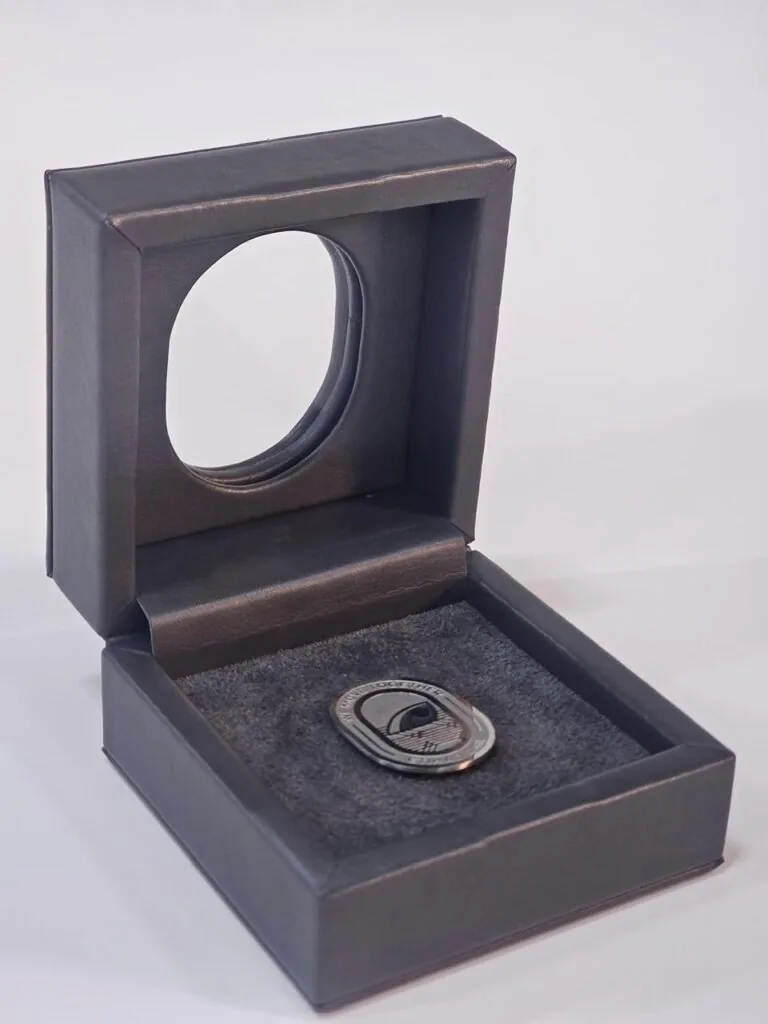
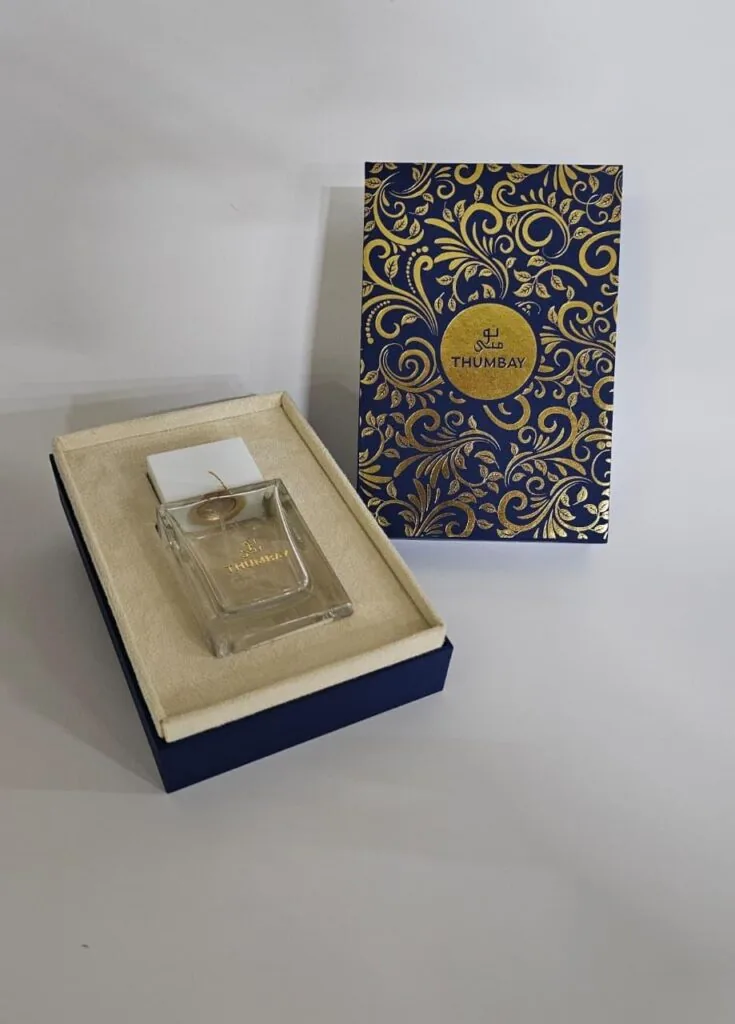
The everyday retail carton: a rigid shell with a void cut to the bottle, so a 100ml sits upright on the shelf and survives being picked up and put down.
View Product
A family of voids inside one outer size, so 50ml, 100ml and a travel size share print and tooling while each bottle is held to its own profile.
View Product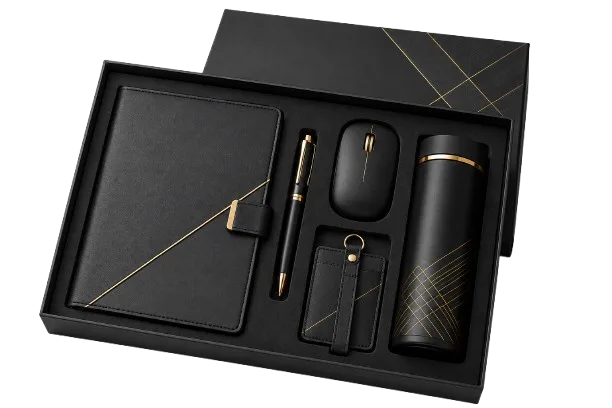
A divided tray for 2ml vials and mini sprays, with cut-outs that separate every item so no vial touches glass or another vial.
View Product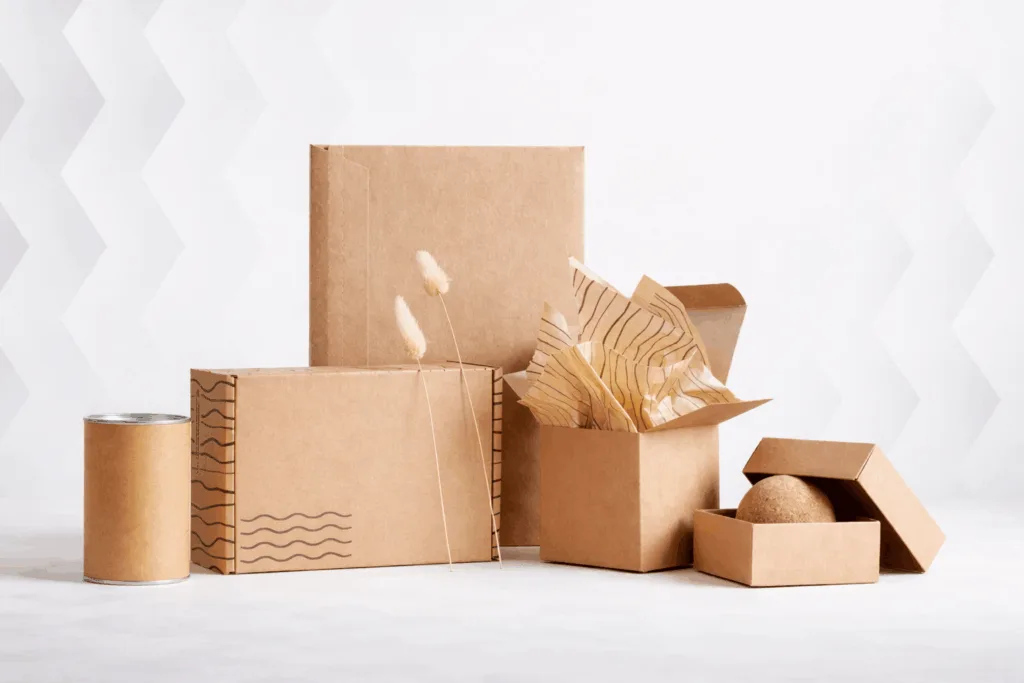
Clearance set above the pump collar and a recess that holds the actuator, so the closure still works inside the box and is not pressed in transit.
View Product
A heavier caliper with a foil-decorated lid and a deep cradle, built for a bottle that is expensive per millilitre.
View Product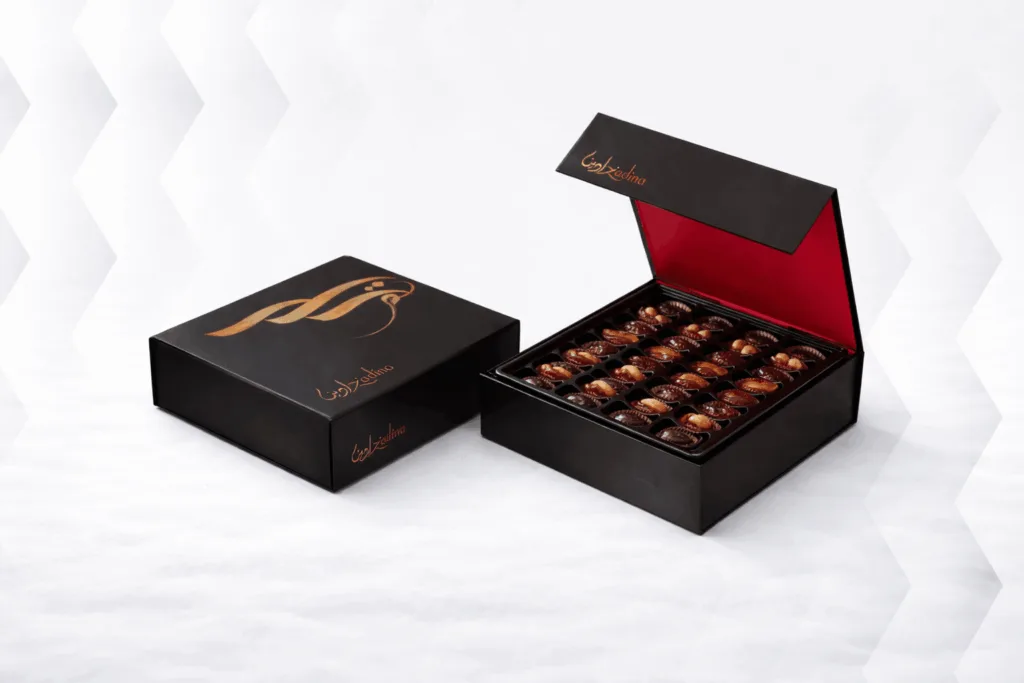
A low, wide cradle for decanter-shaped bottles and attar vials, with the base relieved so the weight sits on the tray and not on the glass wall.
View Product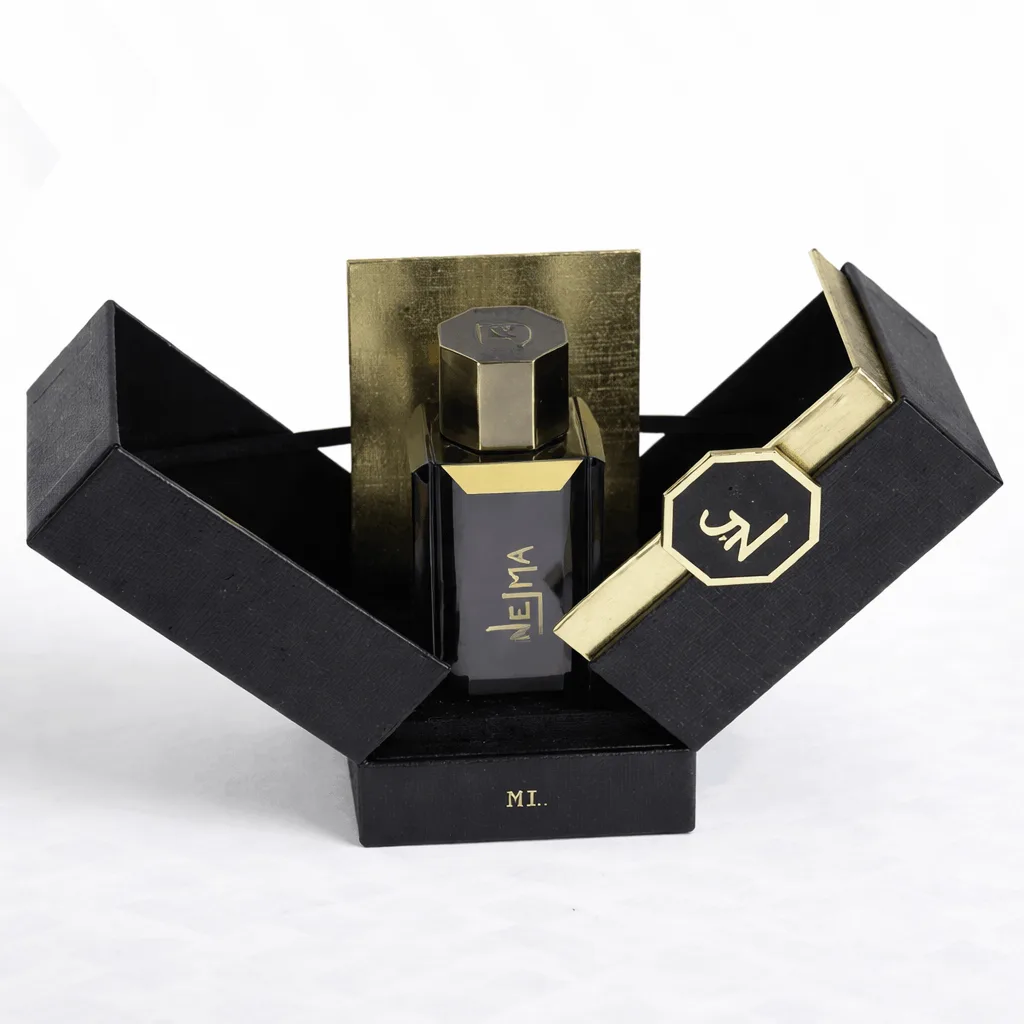
Counter units built on the same void as the retail carton, so testers arrive upright, stable and quick to refill.
View Product
A shipper built for a parcel network: a rigid outer, a moulded tray, and no cavity loose enough for a bottle to move in.
View Product
The carton is drawn to accept an overcap and a printed band, so the seal sits square and shows the moment it is broken.
View Product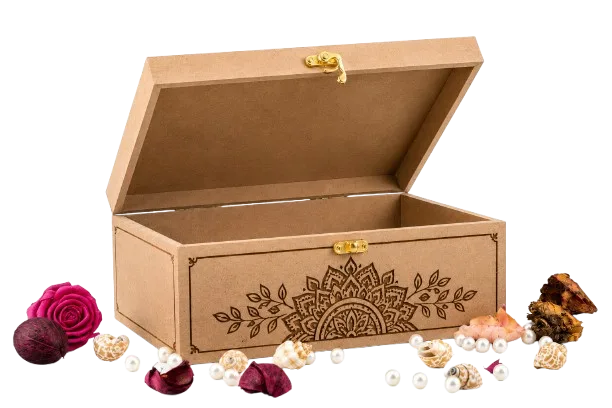
For clear and translucent bottles: a dense liner behind the glass, or a tinted wrap, so light on the shelf never reaches the juice.
View Product
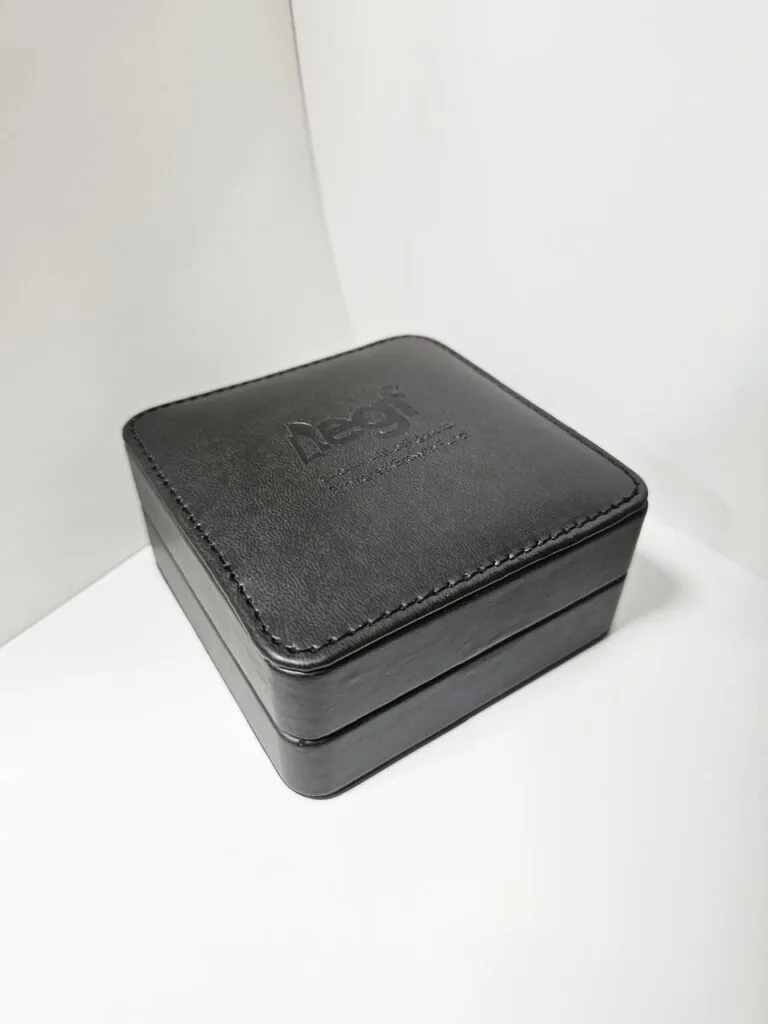
A cover material over a heavy core, with branding debossed into the lid, for a niche house that wants the pack to feel like the fragrance.
View Product
A Ramadan or Eid edition built on an approved core, so the seasonal artwork changes while the void protecting the bottle does not.
View ProductSpecification
A perfume box fails in a predictable order. A void that is too loose lets the bottle roll, and rolling turns one knock into a crack. A void that is too tight cannot be packed without forcing the bottle in, which loads the shoulder. A void with nothing underneath a heavy base leaves the whole weight of the glass hanging from the neck. We draw the void to the bottle profile, then check it against all three of those failures before board is cut.
Capabilities
The bottle comes first on this floor. Board is cut, the void is drawn, the insert is fabricated and the closure is specified against the same dimensions, so a change to the glass does not mean moving the job to another supplier.
Perfume Packaging UAECustom Perfume BoxesFragrance Boxes UAEGlass Bottle InsertsTamper-Evident BoxesDuty-Free PackagingEau de Parfum BoxesPerfume Box Manufacturer
A dieline and a section through the pack, drawn to the bottle's height, shoulder diameter, base width and filled weight, so the void exists on paper first.
Discuss This Service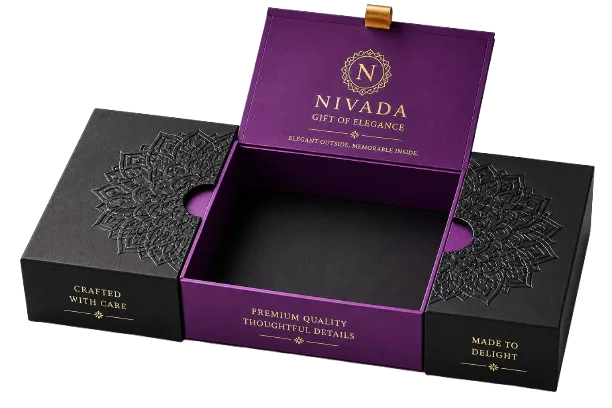
Closed-cell foam, moulded pulp and folded board cut to the bottle profile, with contact faces finished so nothing abrades a label or a shoulder.
Discuss This Service
Foil stamping, embossing, debossing and spot UV on the carton and the closure band, matched to your artwork rather than approximated from a swatch.
Discuss This ServiceBlackout liners, tinted wraps, overcap compatibility, shrink sleeves and tamper bands drawn in from the start, because each one needs clearance that is awkward to add later.
Discuss This Service
Samples are dropped in the orientation a courier will use, so the shoulder, the collar and the base are tested rather than assumed to be fine.
Discuss This ServiceA launch, a store opening or a duty-free season sets the date. We schedule backwards from it, hold the colour on a printed sheet and deliver to the seven emirates.
Discuss This ServiceThe Case
The void is cut so the bottle is held by foam, pulp or a sleeve. Nothing presses on a shoulder or a printed label where transit damage would show.
A 100ml flacon can weigh more than the carton around it. Support under the base is what stops a drop reaching the heel of the glass.
A bottle that travels on its side rolls, and every roll is another impact event for the collar and the atomiser.
Clear and translucent cartons pass light straight through. A blackout liner or tinted board protects the juice without hiding the bottle.
Applications
A 100ml on a department store shelf, a 2ml vial in a discovery set and a 50ml in a duty-free tray are three different problems. What the pack has to survive is what decides the structure.
 Retail
Beauty
Niche
Travel
Attar
Direct
Seasonal
Counter
Retail
Beauty
Niche
Travel
Attar
Direct
Seasonal
Counter
Use Cases
For a 50ml or 100ml standing on a shop shelf, the void is cut to the shoulder so the flacon sits upright and cannot rock when a shopper picks it up and puts it back.
Small volumes are light and easily punctured, so a close-fitting void inside a rigid sleeve matters more here than heavy board does.
Two-millilitre vials and mini sprays sit in separate cut-outs, so nothing rattles, nothing shifts and no vial ends up touching another vial.
A pump collar is the tallest point on the whole pack. Clearance above it stops the lid pressing the actuator in transit, and the recess holds it upright for use.
Duty-free units are slid into trays, bags and gondolas rather than set into cases, so the pack has to tolerate tipping, stacking and being handled loose.
Decanters and attar bottles have wide, heavy or offset bases. A cradle that follows the base stops the weight returning to the glass wall every time the box is lifted.
Finishing
The void protects the bottle; the finish is what the shelf sees first. These are the finishes we apply most often to fragrance packaging, and two of them exist to keep light off the juice.
Pricing
A perfume box is priced by four things that actually move the number, and knowing which of the four you are paying for is worth more than a discount you will not see.
Caliper and the board area a build consumes drive the material cost. The same footprint on 3.0mm is a different price from the same footprint on 2.0mm, and a deep box costs more than a shallow one with the same face.
A folded board sleeve is inexpensive. A closed-cell foam block or a moulded pulp tray cut to the bottle profile is a separate tool and a separate operation, and it is the part doing the protecting.
Overcap compatibility, a shrink sleeve or a tamper band adds artwork, tooling and setup. Drawing them in costs less than bolting a seal onto a finished structure.
Foil, embossing and spot UV are priced per setup plus per piece. Larger runs spread the same board, tool and setup across more boxes, which is where volume genuinely pays.
Send the bottle, its filled weight, the sizes in the run and the quantity, and we will come back with a structure, a void and a unit price for each option. If a lighter board would protect the glass perfectly well, we will say so rather than let you pay for the extra.
Process
Five operations sit between a bottle and a finished carton, and the drop test is the one worth waiting for. No volume is cut until a real box has been loaded with a real bottle and dropped the way a courier drops it.
A physical bottle is better than a specification. Failing that, give us the filled weight, the base diameter and the height with the cap on.
We propose the structure, the caliper, the void dimensions and the insert material, then send a drawing and a section for approval.
A real sample in your chosen board and insert, dropped in the orientation the courier will use, so you can watch what the glass actually does.
Artwork is matched to your file or a physical reference and confirmed on a printed sheet, then foil, embossing and spot UV go on in-house.
The run is cut, assembled, checked, packed to your format and delivered across the UAE with the window agreed against your date.
Sampling
Load it, tip it, drop it and watch where the shoulder takes the hit — then we cut the run. Nothing leaves our UAE floor for the seven emirates until a real box has been dropped and inspected.
We build a sample in the board and insert you have chosen, so you can drop it, tip it and see whether the bottle stays upright and the glass stays clear.
Rigid builds, moulded inserts and foil work all take longer than a printed carton, so we confirm a realistic production date up front and keep to it.
Every finished box is packed to the shipping format you use and delivered across the country, with the window confirmed before the run rather than quoted after it.
Once the sample is approved, the void, the board and the tooling are held to that specification, so a repeat run behaves like the first one.
Local
Fragrance brands across the UAE come to Nivada Box for bottle packaging when a perfume has to arrive in one piece and still look right on the shelf. We cut the board, cut the void, fit the insert and apply the finish in our own UAE facility, so protection and presentation are decided in the same place.
That matters most on repeat programmes. A brand running the same 100ml carton through Ramadan, a store opening and an e-commerce launch needs run three to protect the bottle exactly as run one did, and the void is what guarantees it. It is also why our quotes hold up: we know the sheet cost, the board area a build consumes and exactly what the fitted insert adds to the line.

Before You Order
Four numbers decide most of a perfume box. Put them in the brief and the first reply you get back is a structure and a price rather than another questionnaire.
The filled weight of the bottle, the base diameter, and the height with the cap on. Those three figures set the caliper, the void and the clearance above the collar.
How much room the void leaves around the body and above the collar. Too tight and packing becomes a fight; too loose and the bottle rolls on the first corner.
Whether the pack carries an overcap, a shrink sleeve or a tamper band, and whether a clear or translucent box has to keep light off the juice.
Every size in the run with its quantity, and the date the finished boxes need to be in hand. Both change the structure we would recommend.
Why Us
Protecting a flacon and presenting it are the same job here, and both are settled before the first board is cut. Split across three companies, the board, the void and the closure quietly stop agreeing with one another.
At Nivada Box the cutting, creasing, wrapping, void fabrication, insert fitting, drop testing and finishing happen under one roof in the UAE. That is what makes run four hundred behave like the sample you signed off, and it is why we can tell you when a printed carton would protect the glass perfectly well for less.
Related

Ideas
Short reads on how a void is drawn, why glass breaks on the way to a customer, and where a perfume box actually spends its money.
How flat-sheet printing drifts across the corners and folds of a rigid box.
Read BlogA practical guide to matching a finish to the brand and the budget.
Read BlogHow interior materials change the feel of a box and what each one costs.
Read BlogFAQ
A glass flacon rarely fails from its own weight. It fails from energy. A 100ml bottle with a solid base carries most of its mass low and its collar high, so a drop loads the shoulder and the atomiser before it loads anything else. A box that merely contains the bottle passes that energy straight through. A box dimensioned around the bottle instead spreads it across a fitted void, holds the bottle vertical and keeps the shoulder away from a board wall.
Both are used and the deciding factor is the filled weight of the bottle and how far it travels. A rigid two-piece build on 2.0mm to 3.0mm greyboard takes a drop without deforming, which is what heavy glass needs. A folding carton printed to look rigid costs less and ships flat, and it is the right answer for 5ml and 10ml travel sizes where the bottle is light and the journey short. Rigid where the glass is heavy, folding where the glass is light.
Void protection is the space built around the bottle and filled with a material that absorbs energy instead of returning it. Closed-cell foam, moulded pulp and folded board sleeves can all do it. The void is cut to the bottle's own profile, so the glass is gripped around its body rather than pinched at the neck, and a heavy base is supported underneath so its weight never hangs from the shoulder. Without it the bottle rattles, and rattling is what turns one knock into a crack.
Contact surfaces matter as much as clearance. We specify non-abrasive contact: closed-cell foam with a fine cell structure, moulded pulp with a smooth inner face, or a board sleeve lined with a soft stock. Nothing is allowed to press on a printed label, because a label scuffed against a board wall reads as transit damage to the customer. Where a bottle has an unusual base shape, the void is relieved at that point so no single edge carries the contact.
For most builds it does, and upright is a protection decision rather than a display preference. A bottle lying on its side rolls inside the box, and every roll is an impact event for the shoulder and the collar. A void cut to the bottle's height, seated in a base narrower than the bottle's belly, holds it vertical through a tip or a stack. The exception is a pack designed to travel on its side, where the cradle supports the shoulder and the neck instead.
Three are common. An overcap drops over the atomiser and collar and is held by a friction fit or a printed band, so removing it is obvious. A shrink sleeve runs across the closure and the carton seam together, and any opening tears it. A tamper-evident band sits across the cap and the box at the same time. All three are specified at the drawing stage, because the carton needs clearance and the board needs anchor points for them, and both are far cheaper to design in than to retrofit.
A clear or translucent carton does not block light, and light is a product issue for fragrance rather than a brand one. Where a bottle has to sit in light we add a blackout layer: dense board behind the bottle, a tinted or opaque wrap, or an inner sleeve in a deeper shade. The bottle stays visible where the design calls for it, but the light reaching the glass drops to a level that keeps the colour stable on the shelf.
The base sets the caliper. A 100ml flacon with a solid glass bottom can weigh more than the empty carton built around it, so the base panel goes to 2.5mm or 3.0mm board and the void beneath it becomes a load-bearing cradle rather than a loose pad. Lighter travel sizes, and attar bottles with a narrow foot, can drop to 2.0mm. We confirm caliper against the filled weight of the bottle, not against the volume printed on the label.
Yes, and it is frequently cheaper than three separate runs. One outer footprint and one board grade can carry a family of voids, so a 50ml, a 100ml and a 10ml travel carton share print, tooling setup and a delivery window. The inserts change and the artwork does not. Where the bottles differ in shape as well as volume, we would recommend holding a common outer dimension to keep the shelf tidy and the setup cost down.
There is no fixed minimum on a perfume box. What sets the figure is how many operations the build needs, and a plain printed carton needs far fewer of them than a rigid box carrying a bottle-specific void. A window, overcap compatibility, a blackout liner or a moulded insert each add setup of their own, and we confirm the number inside your quote rather than after the artwork is settled.
Yes. Finished perfume packaging goes to all seven emirates, and the window is agreed against your production and store delivery dates rather than a generic lead time quoted afterwards. For a launch or a store opening, put the required-in-hand date in the brief and we will work backwards from it, right through to the delivery day in Dubai, Abu Dhabi, Sharjah, Ajman, Umm Al-Quwain, Ras Al Khaimah and Fujairah.
Quote
Four short answers are enough for a useful first reply, and anything you are unsure of can simply be marked as still open.
The bottle, its filled weight, the base diameter and the height with the cap on. A drawing is acceptable; a physical bottle is better.
The insert material you have used before and what went wrong with it. We would rather correct a known problem than guess at a new one.
Whether the pack carries an overcap, a shrink sleeve or a tamper band, and whether a clear box has to keep light off the juice.
Every size in the run with its quantity, and the date the finished boxes need to be in hand rather than the date you order them.
Tell us the channel the boxes travel through, and whether they are sold singly or as a set. Both shift the structure we would suggest, and both are far quicker to settle on the first reply than on the fifth.Send your brief
Enquiries & Quotations
Tell us the bottle, its filled weight, the sizes in the run and the date it has to be ready. You will get back a structure, a void option and a price for each.