
Customers judge a product from its packaging before they judge the product itself. Board weight, print registration, edge alignment and the way a lid closes all feed into brand perception, and each one is decided during manufacturing rather than left to chance.

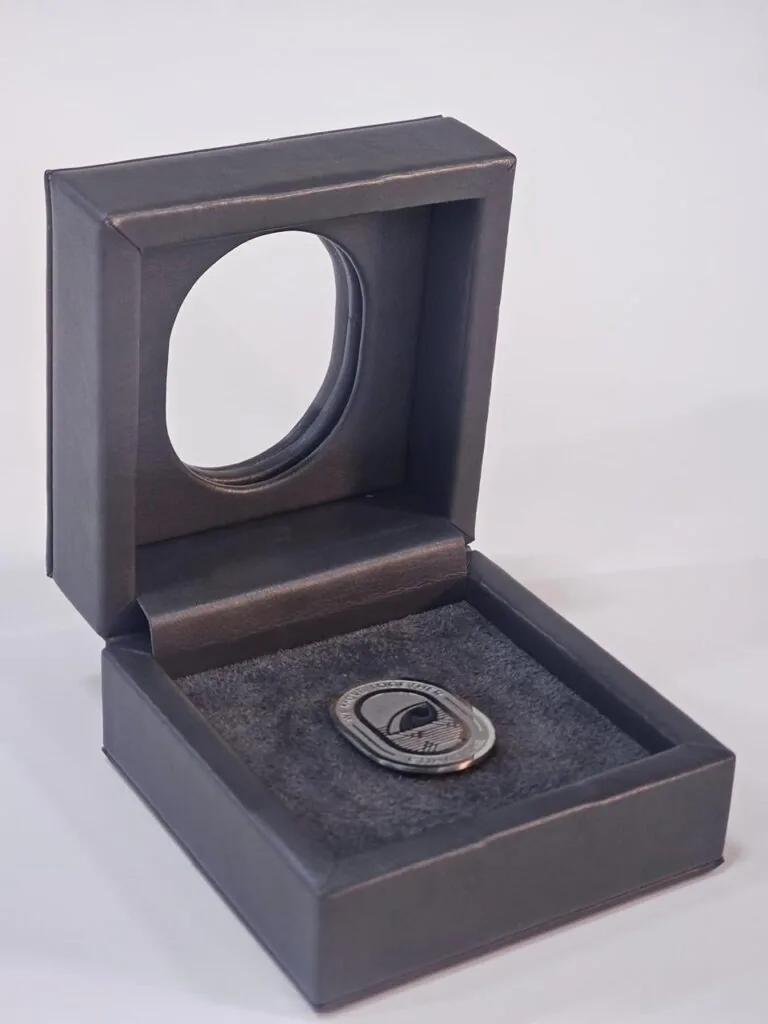
Rigid gift boxes with a tight lid fit and clean edges, the manufactured details customers notice first.
What the box says before it opens
The first impression is physical. A rigid box with a square corner and a lid that settles slowly reads differently from a folding carton that springs open. Neither construction is wrong, but each sets an expectation about what is inside, and the product then has to meet it.
Weight plays a part, though not in a simple way. Board that feels substantial for a small accessory may feel clumsy beside a large item. What matters is that the weight suits the product and stays consistent from unit to unit, so the second customer meets the same experience as the first. Buyers often ask for heavier board without knowing what it costs in outer size, so we agree the target feel first and then match the construction to it.
The manufactured details customers notice
Most people cannot say why a package feels better, but they respond to specific things. Registration between colours, the alignment of a foil stamp to a printed outline, the smoothness of a lamination and the absence of a glue line at the base all add up. Quality control on the line is what keeps those details where they belong.
- Print registration and clean edges on fine type
- Even lamination without ripples or lifted corners
- Foil stamping and emboss centred on the artwork
- An insert tray that holds the product without rattling
- A closure with a consistent, deliberate feel
The same attention applies to the hardware of the package. An insert that sits level, a magnet that meets its strike plate on the first try and a hinge that does not skew all read as care, and buyers respond to those things without being able to name them. We check those points on the line rather than discovering them at the end of a run.
Matching finish to price point
Finishing choices should follow the position of the product. A cosmetic carton with soft-touch lamination and a spot UV mark sits at a different level from the same carton with gloss alone, even if the board underneath is identical. We ask what the package will stand next to on shelf before recommending anything.
The interior carries as much weight as the outside. A printed interior, a flocked insert tray or a simple greyboard divider changes how an item is presented the moment the lid lifts, and that moment is usually where brand perception is decided. It is also the part most often specified last, which is why we discuss the insert while the outer dimensions are still being agreed.
Keeping a range at the same standard
Presentation breaks down when a range is manufactured in pieces without a shared profile. We hold one specification for the shell, the print and the finish, and vary only the insert and the internal layout. That way a customer who buys once and buys again meets the same standard, and manufactured packaging keeps confirming the brand quietly instead of undermining it. The profile is written down, so a new batch behaves like the last one even if the job moves to a different press, and the buyer has something precise to comment on at sample stage rather than a general reaction to work from.
The Bottom Line
Confirm every choice on a physical sample before the run starts. Tell us what you are packing, how many you need and when you need it, and our team will come back with structure options, materials and pricing within a business day.