01
Dates Box Manufacturing
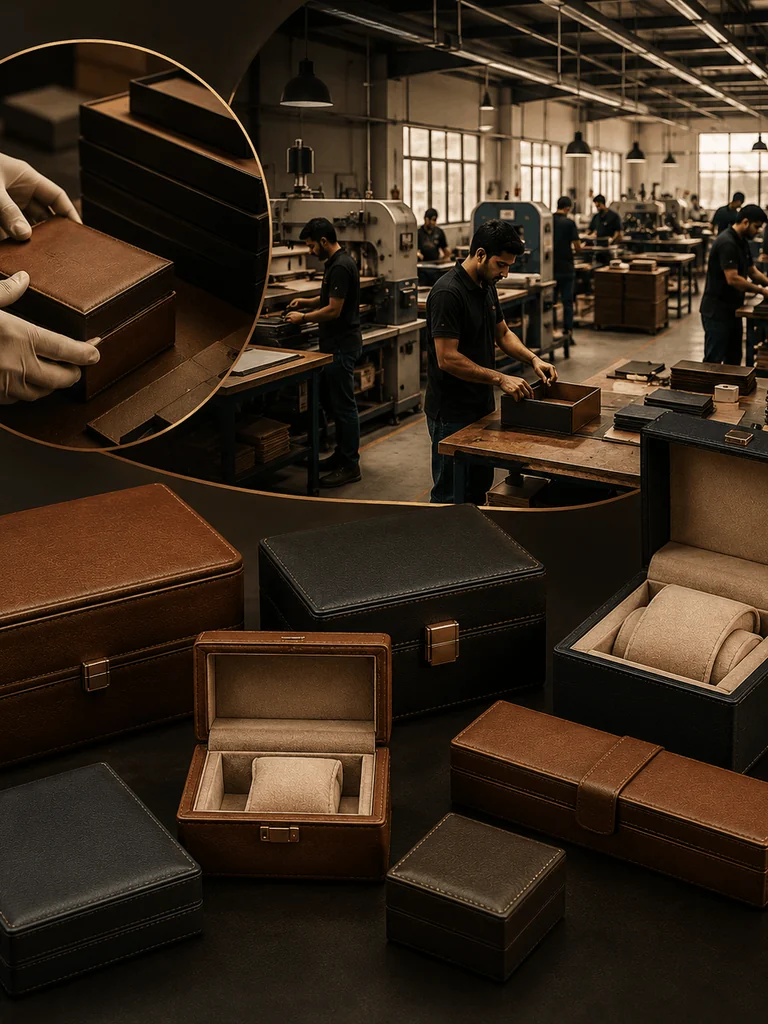
Board cut, creased, wrapped and assembled, with the tray formed to the pack size and the liner fitted before anything is packed out.
Discuss This ServiceDates Box Manufacturer in Dubai, UAE
Nivada Box manufactures dates boxes in Dubai, UAE for fresh dates, dried fruit and nut gift sets. Food-grade liners, moisture and oxygen barriers, vented or sealed structures, die-cut windows and tamper-evident closures, cut and finished on our own floor.
Freshness, Not Just Fit
Dates and dried fruit are easy to box and hard to box properly. Both react to what the pack does about moisture, oxygen, light and heat between the filling line and the moment a customer opens the lid.
So a dates box is specified from the fruit outwards. How wet is the product? Is it vacuum or gas-flushed before it goes in, or filled loose? Eaten in a week or in three months? Does it travel in an air-conditioned van or sit in a boot in August? Those answers set the liner, barrier, vent pattern, closure and board caliper, all decided before a dieline is worth drawing.
We build dates boxes in our own Dubai facility, so the tray, liner and print are specified together rather than ordered from three suppliers and hoped to agree. You approve a filled sample — with your own fruit in it — before the run is cut.

Box Styles
A dates box is defined by what the food touches, how long it must stay that way and what the buyer sees before opening — not by its footprint.

A seasonal build with a foil-stamped lid and a food-grade tray, produced in one run against the date the whole market is buying in the same fortnight.
View Product
A die-cut aperture with a fitted film so the buyer sees the grade and the fill level without breaking a seal that is meant to stay intact.
View Product
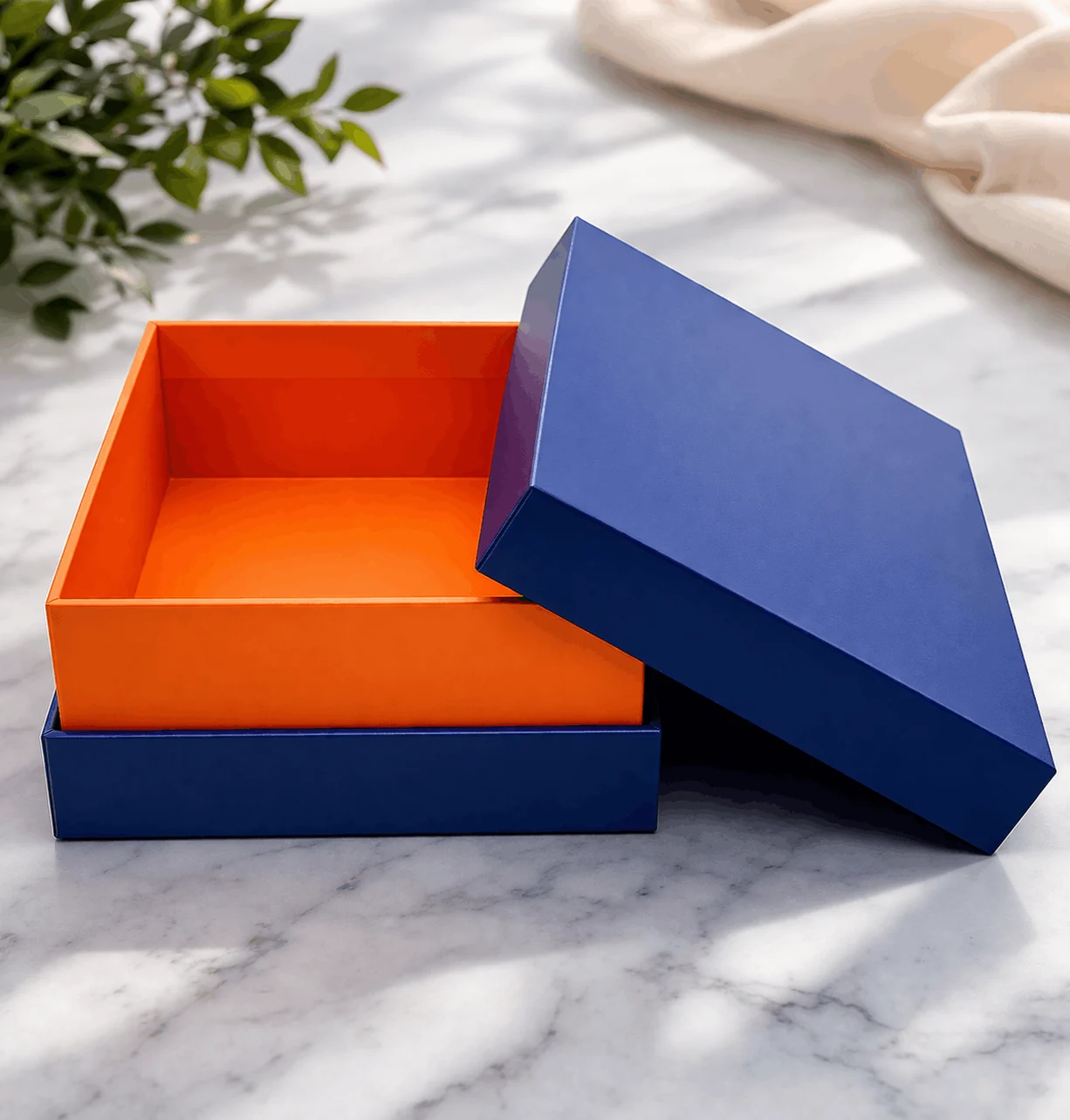
A compartmented tray that keeps dates, nuts and dried fruit in their own sections, so a mixed set arrives separated rather than as one soft mass.
View Product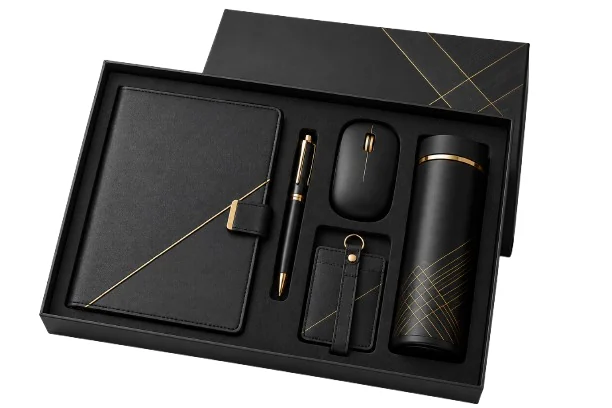
A divided tray inside a rigid box, with a printed outer sleeve adding the corporate layer while the inner board carries the food contact surface.
View Product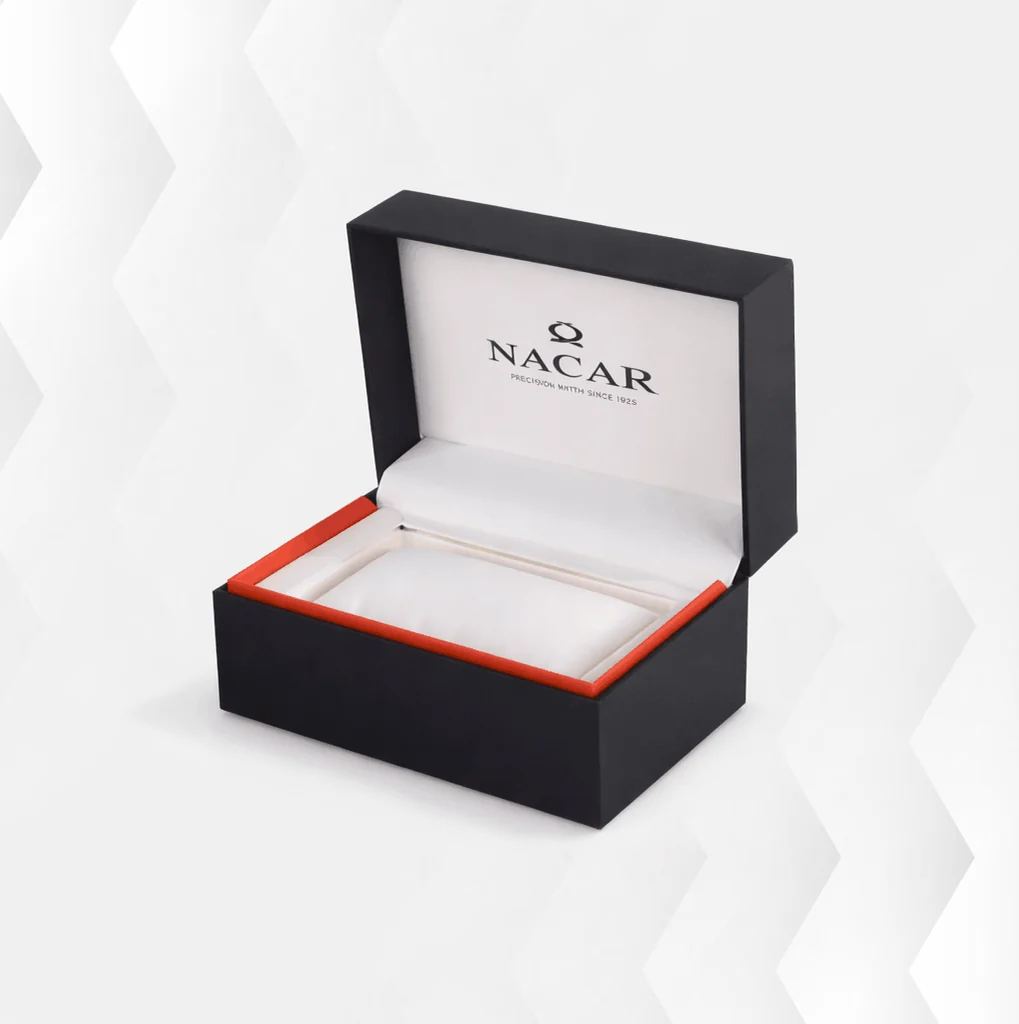
The dependable build for a filled gift — a square lid that seats true and a tray cut to the pack size, so the box looks the same on run five hundred.
View Product
A small filled box at a size that fits a guest’s hand, printed per name or left plain so the couple can write on the lid themselves.
View Product
A textured cover over greyboard with the branding debossed on the lid, built around a liner so the premium finish never meets the fruit.
View Product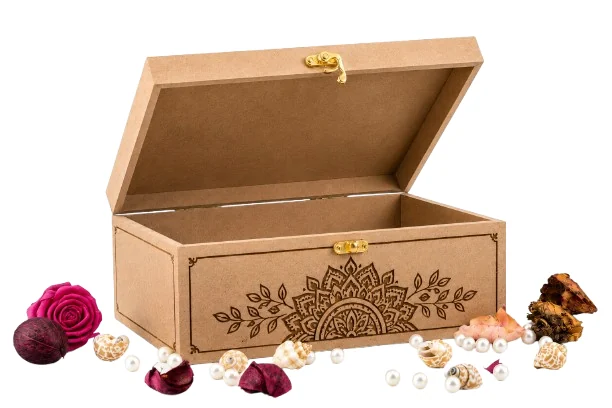
MDF or solid wood for a keepsake box, with a routed rebate giving a close lid line and a rigid shelf for dried fruit and nuts.
View Product
Built to a festival or national day date, with the campaign on an outer sleeve and the rigid inner box doing the food contact work.
View Product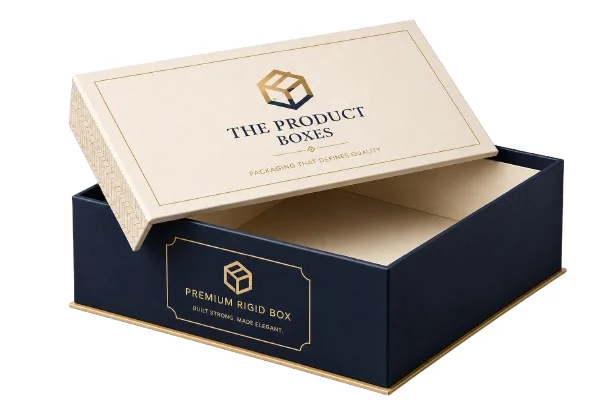
A printed folding structure for dates that arrive already vacuum-packed, shipping flat and folding to a square edge on your filling line.
View Product
A portion box that opens without scissors, still reads as sealed to the guest, and holds a single serve that survives a minibar overnight.
View Product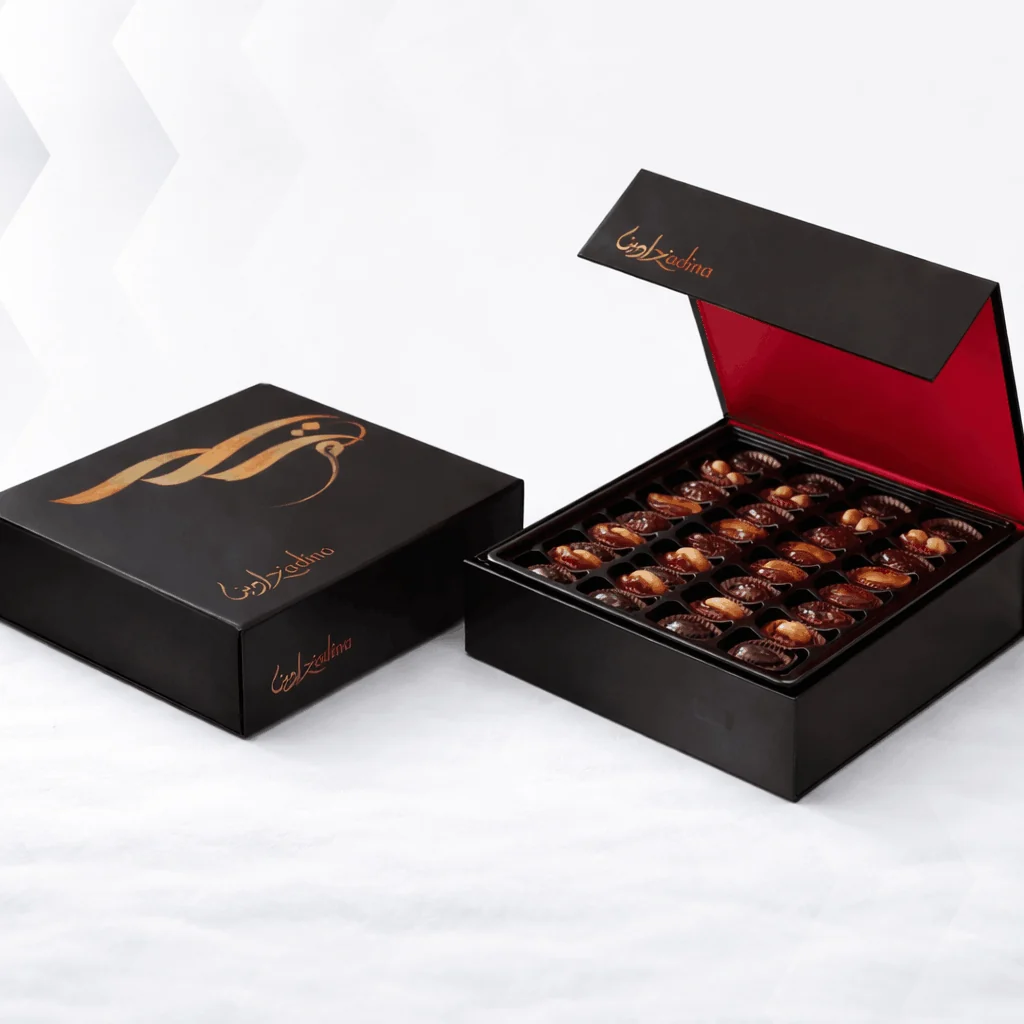
A rigid box with a board-mounted pocket for a card, tasting note or QR code, sitting beside a food-grade lined tray of dates.
View ProductStructure
The tray, liner and closure are drawn around one question: what must stay the same between the filling line and the customer. Board is cut and creased in-house, the tray formed to the pack size, and the barrier applied to the face the food touches.
Capabilities
A food pack is a board job with a hygiene job attached, so liner cutting, tray forming and sealing all happen on our own floor rather than going out to a converter and back.
Food-grade linersPerforated traysWindow fittingTear-strip closuresBarrier laminationRigid board boxesFolding cartonsFoil & spot UV
Board cut, creased, wrapped and assembled, with the tray formed to the pack size and the liner fitted before anything is packed out.
Discuss This Service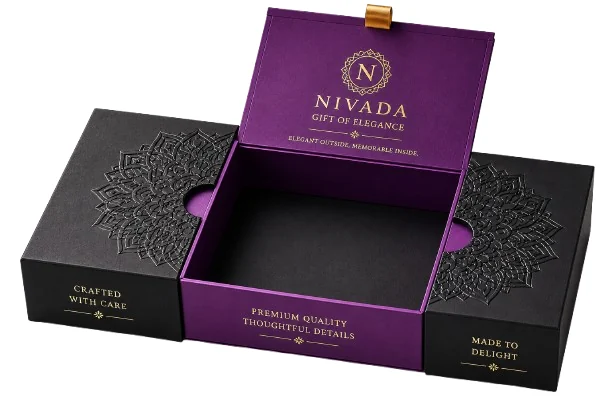
A dieline, a liner detail and a filled sample, so the barrier and the vent pattern are agreed on paper before any tooling cost is committed.
Discuss This ServiceGrease-resistant glassine, wax and paper liners die-cut and creased, so the fruit never touches printed board or uncoated stock.
Discuss This Service
Tear strips, security labels and printed tamper bands, with foil stamping, embossing and spot UV applied to the same lid without one finish fighting another.
Discuss This ServiceColour matched to your file or a physical reference and confirmed on a printed sheet, with the window film checked for haze against a filled box.
Discuss This ServiceProduction planned backwards from the date the boxes must be at your filling line, with delivery windows set for every emirate you ship to.
Discuss This ServiceThe Case
Dried fruit draws water from the air and turns sticky, so the liner and the barrier are specified as a pair rather than picked separately.
A tear strip or a security label tells the customer the fruit was not opened in transit, which is the point when the box is a gift.
A fitted window shows the grade, the fill level and the colour of the dates, so nobody has to open a pack they are about to buy.
Caliper, corner strength and closure are set against a courier drop, a hot van and a stacked pallet rather than against a display shelf.
Buyers
The freshness rules are the same in every case. What changes is shelf life, the filling line and how much the customer should see before the box is opened.
Seasonal
Corporate
Retail
Events
Hospitality
 Retail
Events
Travel
Retail
Events
Travel
Occasions
The whole market buys in the same fortnight, so a rigid box with a foil-stamped lid and food-grade tray is what survives being carried, stacked in a shop and handed over in a car park.
A divided tray inside a rigid box lets the branding live on an outer sleeve, so one box can carry a campaign, a name and a food contact surface without compromise.
A small filled box at guest-hand size, printed once per name where the couple wants it personalised, or left plain so they can write on the lid.
A box on a welcome tray is opened and looked at repeatedly, so the closure must work without scissors and still read as sealed to someone who did not pack it.
A portion box built to a single-serve weight, with a vent that keeps condensation off the fruit and a footprint that fits a tray table or a vending slot.
A mixed set is a moisture problem before a presentation problem, because dates, dried apricots and salted nuts take on water at different rates and the pack must slow all three.
Barrier & Finish
Everything on a dates box serves one of two jobs: holding the food as packed, or making the gift look worth what was paid. These are the options we use most.
Pricing
A dates box is priced by four decisions. Once those are settled the number is arithmetic, which is why a brief that answers them gets a real figure on the first reply.
A rigid two-piece box on 2.0mm greyboard and a 350gsm folding carton holding the same dates are not the same price, and neither are a run of 500 and a run of 5,000.
A printed tray with a glassine liner is inexpensive. A metallised barrier, a formed liner and a sealing operation are separate material and setup on the quote.
A die-cut window needs film, a fitting operation and an extra inspection under light. A perforated panel is cheaper and does a different job; the two are not interchangeable.
A plain tuck or lift lid is the cheapest option on the sheet. A tear strip, security label and printed tamper band add a small material cost and one extra step on the filling line.
We price the structure, liner, window and closure exactly as specified, so the quote is the invoice. Send the pack weight and run quantity and we will price both build options side by side.
Process
Five steps, and the filled sample earns its keep. Nothing goes to a bulk run until the fruit has been in the box and taken out again.
Tell us what goes in the box, the pack weight, the shelf life, whether it is filled loose or vacuum-packed, and the date it must be finished.
We propose the liner, the vent or seal pattern, the closure and where the branding sits, then send a drawing for approval before anything is cut.
A sample packed with the same fruit, liner and closure, so you can judge condensation, aroma bleed and how the box looks full rather than empty.
You approve the filled sample, we cut the run, and the colour is signed off on a printed sheet before the first pallet is wrapped.
Packed to your shipping format and dispatched to all seven emirates, with the window set against the date your filling line needs the boxes.
Sampling
A dates box is the one pack where the empty box tells you little. Weight, condensation, aroma and how full it looks appear only once the fruit is in.
We build the box in the board, liner and finish you specified, and you load it with your own product, which is how condensation and aroma problems show up early.
Leave the filled sample closed for the shelf life you are targeting. Weight loss, sugar bloom or condensation is information an empty sample can never give you.
Windows are checked under light against a full box, because haze and reflection at the wrong angle are only visible with product sitting behind the aperture.
If you fill the boxes yourself, we plan backwards from the date the filled boxes have to leave rather than the date the flat cartons need to arrive.
Local
Dates boxes manufactured in Dubai, UAE for farms, packhouses, distributors and corporate gifting programmes. Sampled, produced and dispatched from our own facility.
Fresh food packaging carries a lead time rigid gift packaging does not. A filling line in Sharjah or a packing plant in Abu Dhabi is already running, and the box has to be there before the fruit goes in. That is a scheduling problem as much as a design one, and it is why we hold board, liners and window film in Dubai rather than ordering against a shipping time from overseas.
Before You Order
Put these four answers in the brief and the first reply comes back as a specification with a price, not a list of further questions.
Fresh dates near 20% moisture, dried fruit nearer 15% and a salted nut mix at 4% each need a different liner and a different barrier. This number decides them.
Dates eaten within a fortnight usually want ventilation. Anything shelf-stable for months wants a barrier film. A perforated panel and a hermetic seal solve opposite problems.
A printed message, the product through a window, or nothing at all. Each answer is a different structure, and only one of them can be opened before it is sold.
Flat cartons, assembled boxes or a box delivered ready to fill each change the date we plan against and the transit time we hold for your emirate.
Why Us
A food pack carries two specifications that must agree — the board structure and the food contact surface — and splitting them between suppliers is how a box ends up with a barrier nobody specified.
We cut the board, form the tray, fit the liner and print the outside on our own floor, so the liner grade, vent pattern and board caliper are settled in one conversation. A change to pack weight changes the tray, liner and caliper together, and does not restart the job elsewhere in the city.
Related
Ideas
Short reads on moisture, barrier choice and the occasions a date box actually gets bought for.
How working backwards from the season changes the design decisions.
Read BlogBoard, inserts and ventilation for boxes delivered through a hot month.
Read BlogWhy a held festive build turns next year's reorder into a simple job.
Read BlogFAQ
Almost always. Dates are sticky, oily and high in natural sugar, so fruit packed against printed board will mark, soak through and take on a paper taste well before its shelf life ends. A die-cut liner in grease-resistant glassine, wax-coated paper or a food-grade film sits between fruit and board, specified from the product's moisture content rather than the colour of the box.
It depends on the shelf life you are buying. Fresh dates eaten within a fortnight want a perforated lid panel so the fruit breathes and condensation escapes. Dried fruit, nuts and anything vacuum or gas-flushed wants the opposite: a sealed closure and a barrier film that slows oxygen and moisture. The two are not interchangeable, and choosing wrong is the most common reason a date box arrives sticky.
A rigid date box is normally built on 1.5mm to 2.0mm greyboard, enough for dried fruit and nut sets and only just enough for a filled hamper. Anything heavy, pallet-stacked or shipped in a hot van wants 2.0mm to 2.5mm. Where dates are already vacuum-packed, a folding carton at 300gsm or heavier is cheaper and lighter, and it collapses flat for freight.
Yes, and it is often what turns a food box into a gift box. A die-cut aperture with a fitted window in polyester or cellulose acetate lets the buyer see the grade, fill level and colour without breaking the seal, which matters when the box is sold over a counter or photographed. The window is cut to the aperture rather than applied over it, and the film is checked under light against a filled box for haze.
Condensation appears when warm fruit or warm air meets a cold board surface, and collects under the lid. Three things reduce it: a liner permeable enough to let moisture go, a vent pattern over the tray rather than a sealed lid, and a filling temperature the pack can hold. For a box in an air-conditioned van, a rigid structure with a suspended tray keeps the fruit off the base.
Not where the food sits. We print the outer wrap, lid and inside lid, and put a die-cut food-grade liner or food-safe film over anything the product contacts. Where direct contact is unavoidable, soy-based food-contact-certified inks are available, but a liner is more reliable because it also handles the grease. Tell us which areas are in contact and we will show which surface each takes.
Minimums are set by the setup each structure needs, and we put the real number in the quote rather than a published one. A printed folding carton for packed dates often starts lower than a rigid two-piece box, and a plain rigid tray without a window or foil starts lower than a decorated one. The figure that matters covers the liner, window and closure you asked for.
Treat the filled box as a food product in transit. Keep it out of a standing vehicle between June and September, stack it on the pallet rather than its edge, and avoid shrink-wrapping a full run into a block that traps heat. Where the journey runs past a few hours, an insulated liner or gel pack does more for the fruit than heavier board.
Yes. Finished dates boxes are delivered to all seven emirates, so a run going to Dubai, Abu Dhabi, Sharjah, Ajman, Umm Al-Quwain, Ras Al Khaimah and Fujairah is split into sensible drops rather than one long loop. The window is agreed against the date your filling line needs the boxes, not the day you order.
That is often the argument for a rigid build rather than a printed carton. A two-piece rigid date box on 2.0mm greyboard with a removable tray is normally strong enough to be refilled at home or kept for the following year, spreading the cost across every occasion instead of charging it to one. We can spec the board and tray for repeat use rather than a single opening.
Quote
Six lines is enough for a useful first reply. Where you do not know one, say so and we will propose it.
What goes in the box, the pack weight, the moisture content if you have it, and whether it is filled loose or vacuum-packed before it is boxed.
How long it has to hold the state it was packed in, whether it travels in an air-conditioned van, and how hot the route actually gets.
A sealed box carrying a message, a window onto the product, or a vented tray. The visibility answer changes the structure more than the artwork does.
Quantity, the date the boxes must be at your filling line, and whether you need them flat, assembled, or filled and sealed by us.
Include the board and liner preference if you already have one. Where you do not, we will recommend a grade and tell you what it costs you to leave it unspecified.Send your brief
Enquiries & Quotations
Send the product, the pack weight or moisture content, the shelf life and the date the filled boxes must be in hand. You get back a liner and closure recommendation with a price per option.