
Protecting dates and sweets in warm conditions starts with the box, the insert and the closure, not with the product alone. Get those three decisions right and the pack stays presentable through a hot month without over-engineering the structure.

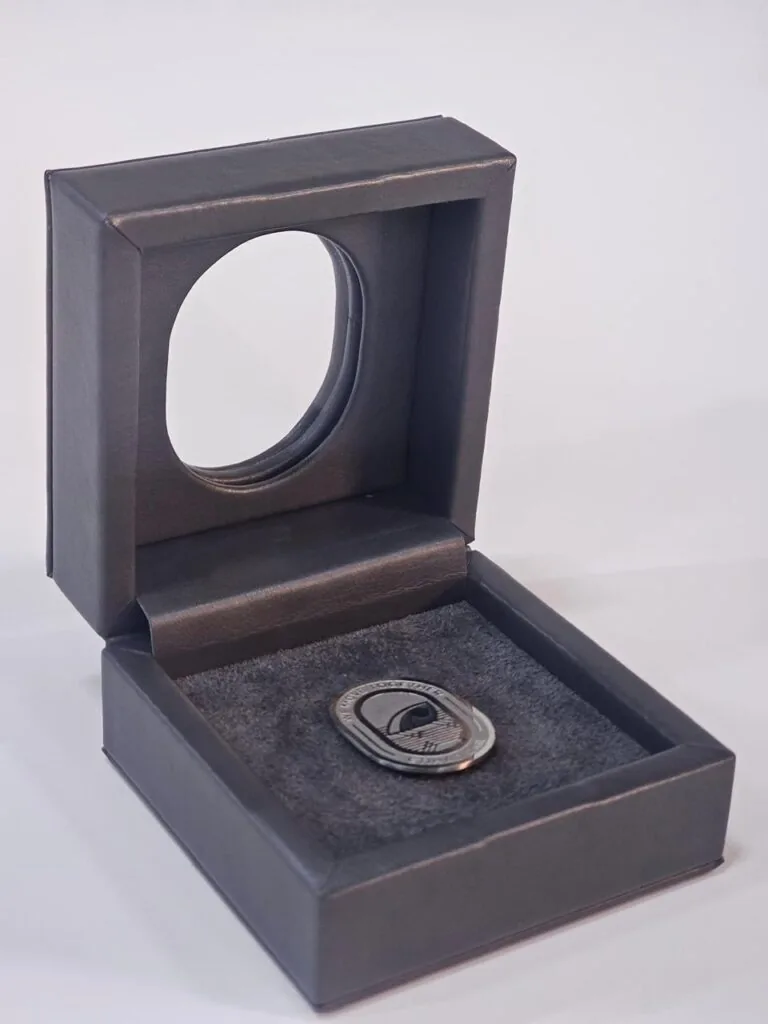
Rigid boxes and folding cartons side by side, showing wrapped greyboard, sharp corners and a clean lid fit.
What the warmth actually does
Dates hold moisture and most sweets do the same. Inside a closed box that is sitting warm, that moisture moves instead of disappearing. It settles on the inner liner, softens anything chocolate-based packed alongside, and leaves the inside of the pack looking tired long before the product itself is affected.
The pack moves as well. Greyboard is wrapped in a printed sheet, and in warm humid storage the board and that wrap can expand at slightly different rates. Corners lift, the lid sits proud, and a box that looked square on the artwork proof looks crooked once it is standing on the shelf.
There is also the finish on the piece itself. A sugar bloom or a scuffed coating happens when sweets move against each other or against the liner, so anything that holds the contents still is protecting dates and sweets just as much as any barrier around them.
Decisions made at specification stage
Most of the protection is settled long before anyone prints anything. We ask how the box will be opened, how often it will be opened, and what temperature range it will sit in between openings, because those three answers decide the structure.
- Keep the closure firm. A lid-and-base with a close fit, a drawer with an even draw, or a magnetic closure all limit the warm air that cycles in each time the pack is opened.
- Specify a wrap and an adhesive that will stay bonded in warm storage rather than lifting at the corners and the fold lines.
- Consider a matt or soft-touch lamination on outer surfaces, which takes handling marks better than an uncoated wrap in a warm store.
- Settle the closure before the insert, because a tuck, a ribbon pull and a magnet all change the interior depth the insert has to work with.
Where the product is genuinely delicate, a printed insert tray with a shallow cavity beats loose fill. It holds each piece in one fixed position, stops pieces rubbing together in handling, and gives a clean presentation the moment the lid comes off.
Ventilation, and when to leave it out
Not every sweet box needs ventilation, and cutting it without a reason simply opens a fresh path for humidity. The cases that benefit are warm-filled product and fresh dates, where the box is closed while the contents are still releasing heat.
When ventilation is needed, we cut small die-cut slots in the base or the lower wall rather than open panels in the lid. The slots stay hidden once the box is on display and still let the pack equalise. Linings should be kept clear of them, because flock or microfibre laid straight over the slots will block the airflow anyway.
What we check before a run
Protecting dates and sweets in a warm store is mostly a specification job, and the sample is where we prove it. Before bulk production we approve a sample built with the actual insert, the actual liner and the actual closure, then leave it standing in warm conditions for a couple of days.
We look for lid lift, corner lift, any marking on the liner, and how the wrap behaves at the fold lines. That short check catches what a desk review cannot, and adjusting a dieline at sample stage costs far less than correcting a full run. Samples are approved before bulk production, and we would rather spend the extra day there than explain a softened carton later in the season.
The Bottom Line
Confirm every choice on a physical sample before the run starts. Tell us what you are packing, how many you need and when you need it, and our team will come back with structure options, materials and pricing within a business day.