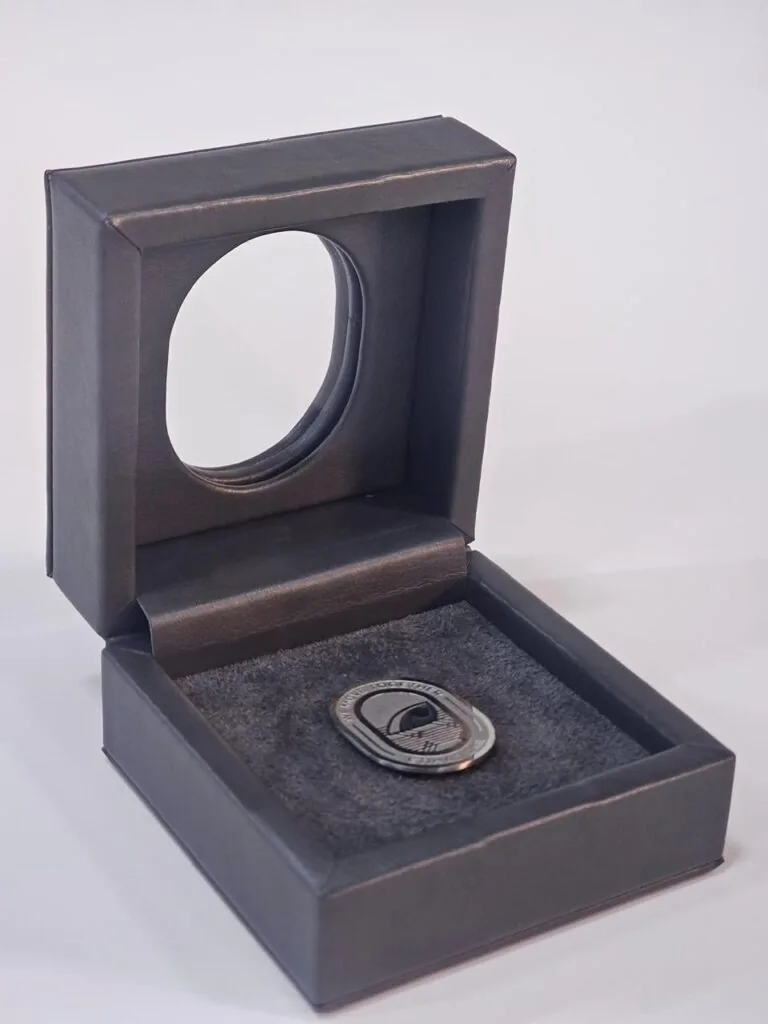

Choosing the right finish is mostly a matter of deciding what the box should do in the first second it is held. Foil gives colour and metal, emboss gives depth you can feel, and spot UV gives contrast between matt and gloss. Each one answers a different question, and mixing them without a plan answers none of them well.
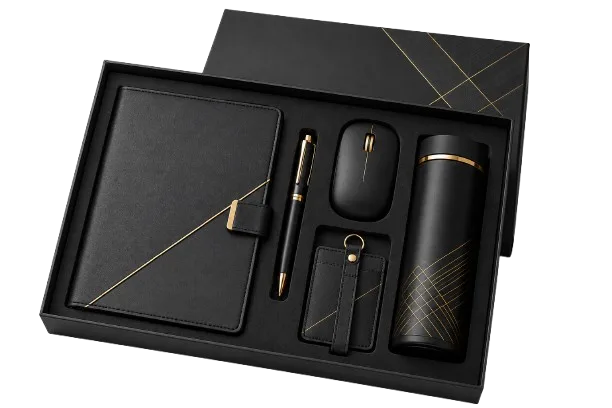
Three finishes on one board: a foil mark, a raised emboss and a gloss spot UV panel, each catching light differently.
What each finish actually does
Foil, emboss and spot UV each arrive as a separate pass, and each one starts from a different place. Foil stamping transfers a thin metallic or pigmented film onto the surface using a heated die, and it is the only one of the three that introduces a colour print cannot make, which is why it is the standard route for gold, silver and strong brand hues on a dark ground.
Embossing raises or presses the artwork with a die and a counter, adding no colour at all. It works on shadow and touch, so it is quiet on a shelf but obvious in the hand. Spot UV is a clear varnish cured under ultraviolet light onto a chosen area, giving gloss contrast against a matt or soft-touch ground without changing the artwork at all.
Questions that settle the choice
Before picking a finish, answer four things: what the brand should feel like, what the board can support, what the artwork can survive and how the box will be handled after packing. A mark that should feel formal wants metal; a bold logo on black wants opacity; a pattern that should only appear when the light moves wants varnish.
- Brand tone: metal reads formal and celebratory, relief reads considered, gloss contrast reads modern.
- Artwork weight: fine detail suits foil or varnish, while emboss wants solid forms and open counters.
- Background: dark wraps push a metallic forward, while pale wraps keep emboss soft and readable.
- Handling: exposed foil and raised relief mark sooner than a sealed varnish under lamination.
- Photography: foil and spot UV catch a camera flash, whereas a blind emboss nearly disappears.
How each one behaves on the board
All three need a flat, stable panel with board behind it. Foil and spot UV bridge a texture and lose definition, and emboss pressed near a hinge, a crease or a magnet seat distorts because the board is already under stress. Textured wraps are the hardest surface for any of them, which is why a smooth area is often planned into the design as a stage for the finish.
The three combine well when one of them leads. Foil over an emboss gives a raised metallic mark, which is the classic pairing for a logo on a rigid box. Spot UV works best laid over matt lamination, where the gloss contrast is sharpest. Two finishes placed side by side with equal weight usually read as indecision rather than intent.
Cost sits in the passes, not in the effect
Each finish adds a die or a plate and another pass through the finishing stage, so the artwork and the number of effects drive the figure more than the choice of effect does. One finish placed with purpose on a well-wrapped box usually looks more expensive than three applied evenly across every panel.
The practical next step is a sample. We produce the finish on the board you have chosen, you approve it before bulk production, and that sample becomes the standard for the run. That is how choosing the right finish stops being an opinion and becomes a specification someone can reorder.
The Bottom Line
Confirm every choice on a physical sample before the run starts. Tell us what you are packing, how many you need and when you need it, and our team will come back with structure options, materials and pricing within a business day.