
Chocolate fails quietly. A bar can leave refrigeration in perfect condition and arrive with a bloom on its surface, a soft snap or a corner pressed through the wrapper. Box structure is what keeps the product steady between the fridge and the customer, and it is settled before anything is printed.

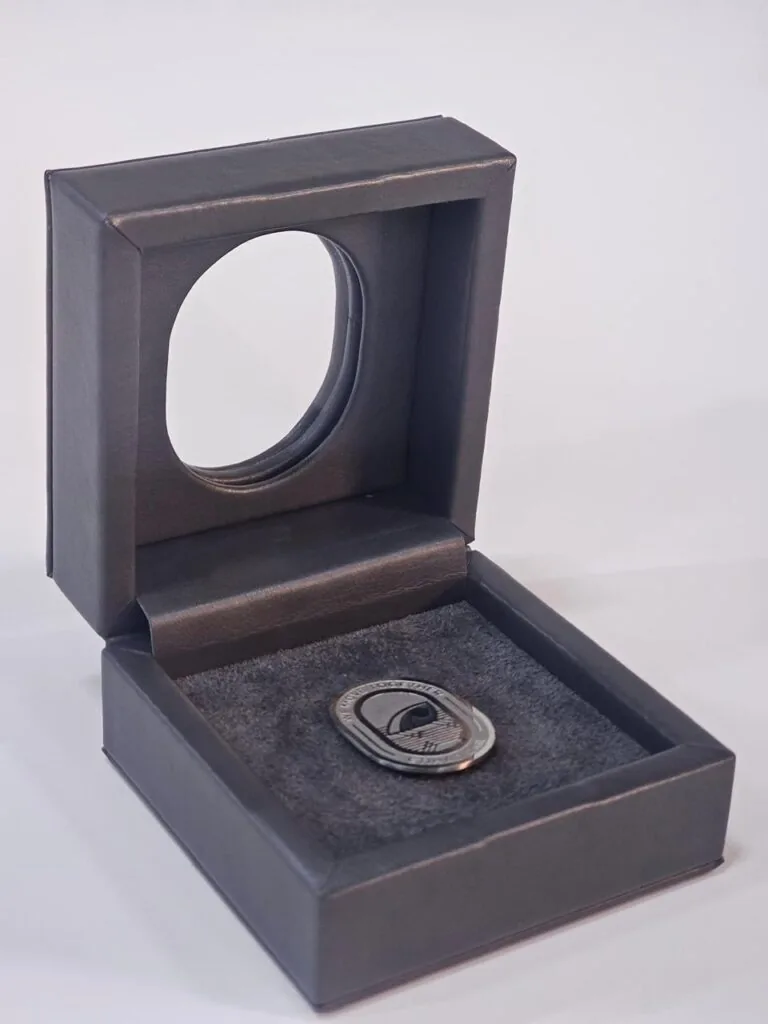
A rigid chocolate box with a die-cut insert holding each bar clear of the walls, leaving a small air space around every edge.
Heat, humidity and the journey
Fat bloom appears when cocoa butter migrates to the surface after a temperature swing, and sugar bloom follows moisture condensing onto the bar. Neither needs a warehouse fire; a warm delivery vehicle and an air-conditioned lobby are enough to create the change. Packaging cannot cool a product, but it can slow the shift and stop the bar resting against surfaces that hold heat or damp. That is the whole brief for a heat-safe build.
So the practical goal is fewer rapid swings, no contact with the box walls, and air space around each bar so temperature moves gradually instead of all at once. Board acts as insulation on the way, which makes its thickness and density part of the decision rather than a detail left to the estimate. Structure, insert and stock all pull in the same direction here.
Board, insert and air space
We start with the board. A dense greyboard wrapped tightly gives the box stiffness and a thermal buffer, while a lighter folding carton transmits heat faster and dents more easily when boxes are stacked. The GSM is chosen against the size of the carton and the distance the product travels, not pulled from a default. A bar that sits in a van for a day asks more of the structure than one collected the same afternoon.
- Insert density, firm enough to hold each bar still so nothing rubs or snaps against its neighbour.
- Slot clearance, leaving a small gap around the wrapper so air can move between bars.
- Ventilation, considered where bars are boxed soon after production and still holding residual cold.
- Lid fit, close enough to steady the interior without sealing moisture inside the carton.
The insert does as much work as the carton. A tight tray stops movement, which is how most breakage happens, while the clearance around each bar keeps the structure from turning into a solid block that holds one temperature for too long. Both are set with the real product in hand rather than from a list.
Designing for the handover, not the photo
Chocolate boxes are usually photographed closed and full, which hides the two things that matter: how the bar is held, and what happens when the lid lifts in a warm room. We prefer testing a filled carton with your own product held at room temperature for a realistic period, so insert grip and clearance are judged rather than assumed. A sample that only ever looks good in a studio photograph has not really been tested.
Packing sequence matters as well. Bars that come straight from chilled storage should not be sealed while condensation is still possible, so the resting step is written into the specification rather than left to the packing table. It costs nothing except a decision made in advance, and it removes a common cause of damp against the wrapper.
Approving a heat-safe build
We build a sample with the proposed board and insert, fill it with real bars and confirm how they sit, how much air moves around them and how the lid behaves once the tray is loaded. Bulk production starts only after that sample has been approved, and any later change to board, insert or ventilation is recorded against it. That agreed structure is what protects the product on the day it matters.
The Bottom Line
Confirm every choice on a physical sample before the run starts. Tell us what you are packing, how many you need and when you need it, and our team will come back with structure options, materials and pricing within a business day.