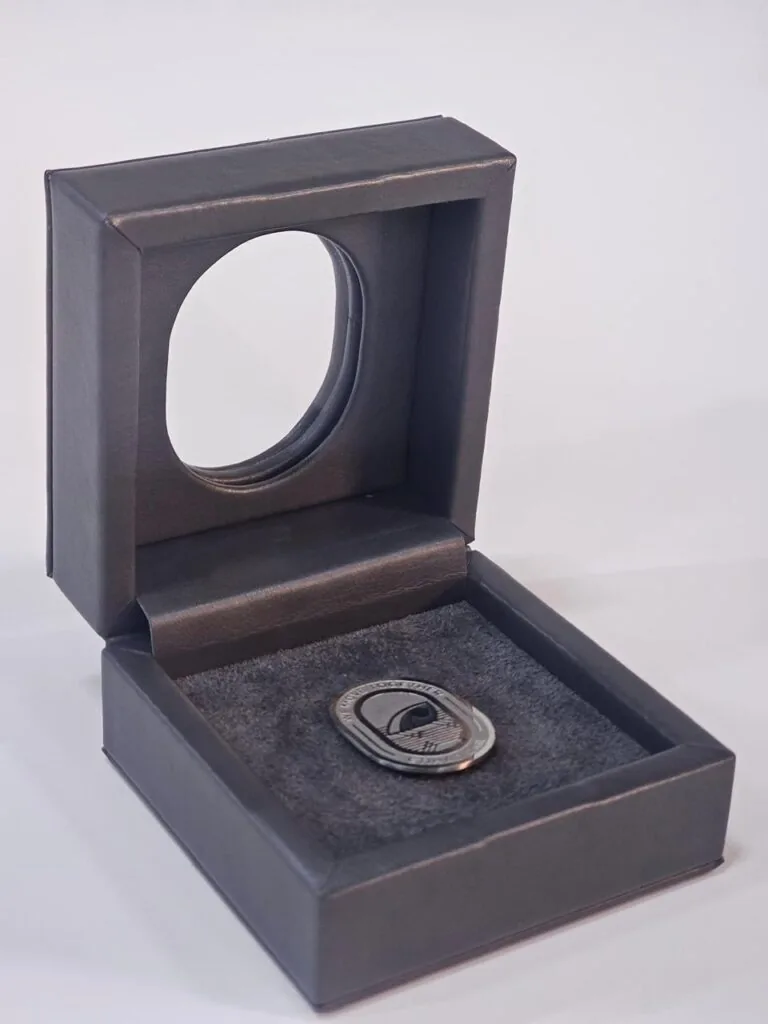

Year two of a gifting programme rarely matches year one, and rarely through a single decision. A paper is substituted, an insert is adjusted, a colour is reprinted from a screen file, and each order is reasonable on its own. Placed side by side, the differences are impossible to miss.
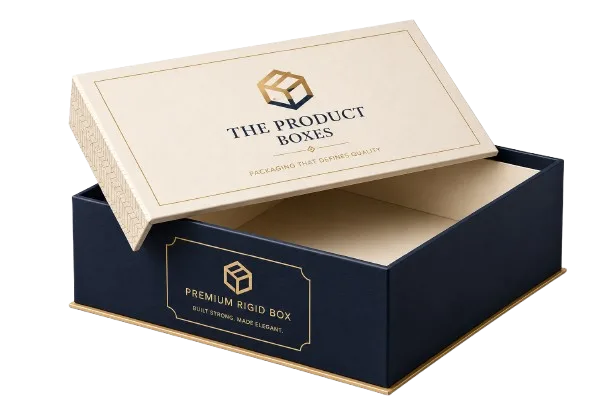
Rigid boxes lined up for a repeat gifting order, each one checked against the original held specification.
How drift starts
Drift usually begins with a small substitution. The wrap is out of stock, so a similar sheet is used. An insert supplier has changed their foam, so the tray comes back slightly thicker. Someone reorders from a screenshot rather than the approved artwork, and the brand colour lands a shade off. No single change looks alarming, and none of them are written down. Each one is signed off by somebody who did not see the first order.
By the third order nobody can say which version is correct. The box in the warehouse, the box on the desk and the box in the photograph all belong to the programme and all differ slightly. That is what an unheld specification costs: not one obvious mistake, but a slow loss of the reference everyone assumed existed. The team keeps ordering what they remember rather than what was approved.
What a held specification contains
A useful specification is a single document a new supplier could work from without a phone call. It records the physical build and the decisions behind it, so a repeat order starts from drawings instead of memory. If a detail only exists in one person's inbox, it is not held by the organisation, it is held by that person. Both versions then exist, and only one of them gets used.
- Board grade and GSM, wrap paper, colour reference and finish, with the approved Pantone noted.
- Dieline files and tooling references, so compartments and scores are reproduced exactly.
- Insert material, tray thickness and how each item is seated inside the box.
- Print method, proof reference and the date of the last approved sample.
- Rejected options, recorded so nobody retries a dead end down the line.
Anything that affected the look or the fit belongs in the document, including what was ruled out. A specification that only lists the final choices invites the next team to rediscover the same constraints the hard way. Keeping rejected options visible stops a sensible question becoming a costly experiment, and it shortens the conversation when a new stakeholder joins.
Keeping the file current
A specification only holds if changes run through it. When a design is updated we revise the document, date the change, record why it was made and confirm the result with a sample before the next order runs. The alternative is a folder of old files where nobody is certain which one was used last time. Verbal changes are the fastest way to lose a programme.
We also check each new order against the current specification line by line before production. Anything requested that differs is written into the record rather than handled in an email thread. Over a multi-year programme that habit is what keeps year three recognisable as the same gift as year one. It takes minutes at the start and saves a full rebuild later.
Approving the reference sample
The specification is anchored to one approved sample: the physical box both sides agreed was right. We keep the build documented against that sample, and bulk production starts only after a repeat has been matched to it. With the reference held properly, a gifting programme stays consistent across orders, seasons and whoever happens to be managing it. Consistency is easier to protect than to restore.
The Bottom Line
Confirm every choice on a physical sample before the run starts. Tell us what you are packing, how many you need and when you need it, and our team will come back with structure options, materials and pricing within a business day.