
01
Product Profile & Barrier Spec
Fat content, water activity, aroma load, filled weight, storage temperature and shelf life, so the board and the lining come from the product rather than from habit.
Discuss This ServiceFood & Confectionery Packaging Manufacturer in Dubai, UAE
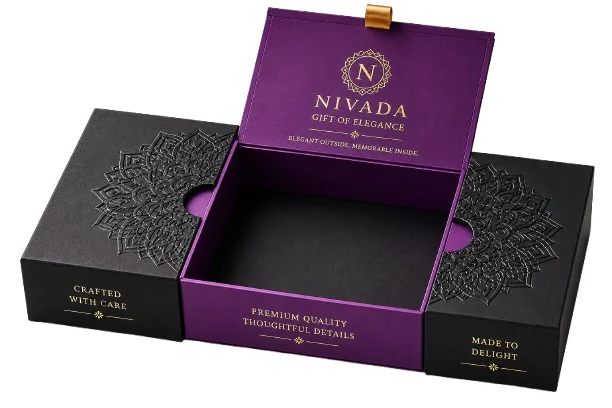
Nivada Box manufactures food and confectionery packaging in Dubai, UAE: oil and moisture resistant structures, food-contact linings, aroma-sealed interiors, coded cartons and fitted inserts for bakeries, chocolatiers, spice houses, cafes and supermarkets.

Barrier, Not Decoration
A box somebody eats from has to do four jobs at once: hold back fat, hold moisture in or out, stop smells travelling and survive the weight inside it. Miss one and the product is damaged long before the packaging looks wrong.
That is why we start with the product rather than the artwork. The oil in a filled praline, the water in a dried date, the aroma off a masala sachet and the weight of a five-kilo tray each set the structure differently, changing the board, lining and seal. Oil through uncoated fibre leaves a ring outside the pack. Moisture pulled out of a crisp biscuit softens it in the box, not the oven. Aroma absorbed into recovered board is handed to the next product alongside.
Nivada Box builds food and confectionery packaging in Dubai, UAE on our own floor, so the board grade, barrier layer, insert and print are specified against the same product profile. You approve a sample packed with the real thing, not an empty shell, and only then is a run cut.

Box Styles
A food box is defined by what it keeps out and what it carries, not by its footprint. These are the structures we build most, each quoted on the barrier and board the product needs.

A coated or lined structure for chocolates, nuts and filled confectionery, where fat would otherwise migrate through the board and mark the outside of the pack.
View Product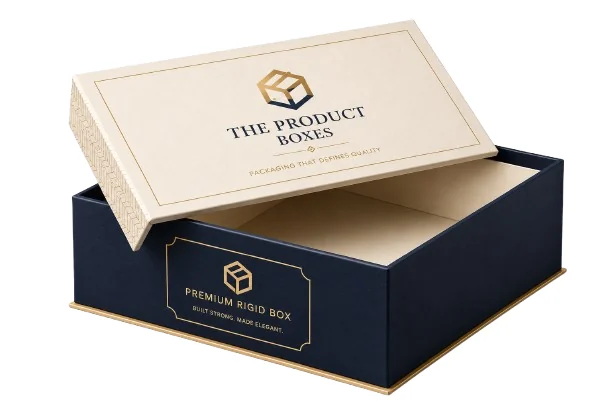
Board, wrap and adhesive specified for the surface the food touches, on 2.0mm greyboard or heavier wherever the pack is opened more than once.
View Product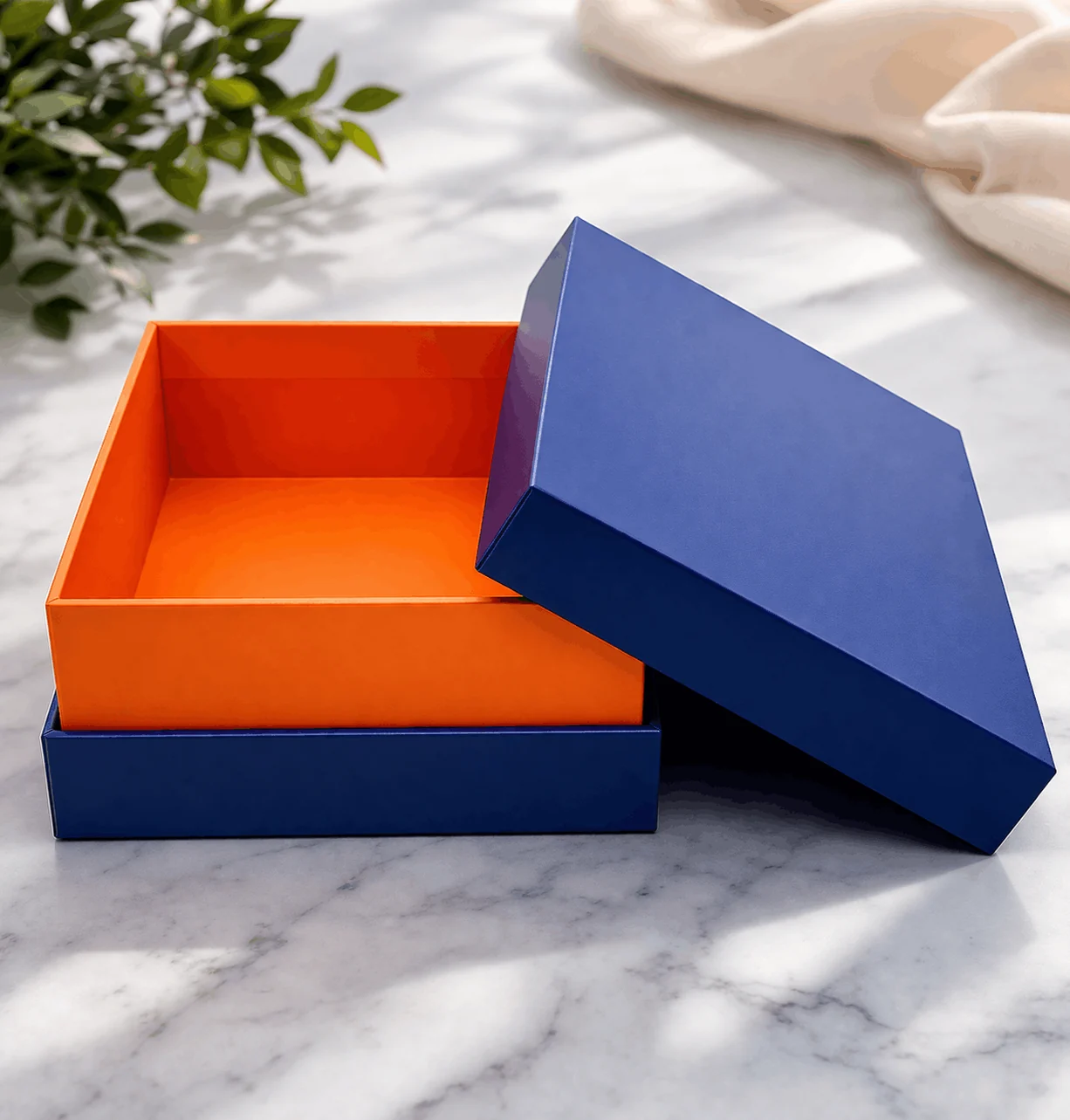
A hamper that carries jars, sachets and loose product in a divided interior, with a strength rating set by what a recipient will actually lift.
View Product
A cut or folded tray that keeps a mixed assortment separated in position, so nothing slides into a neighbouring section on the way to the customer.
View Product
Fitted paperboard or moulded pulp that locates every piece, which is what stops a tray of pralines from settling into one block on the shelf.
View Product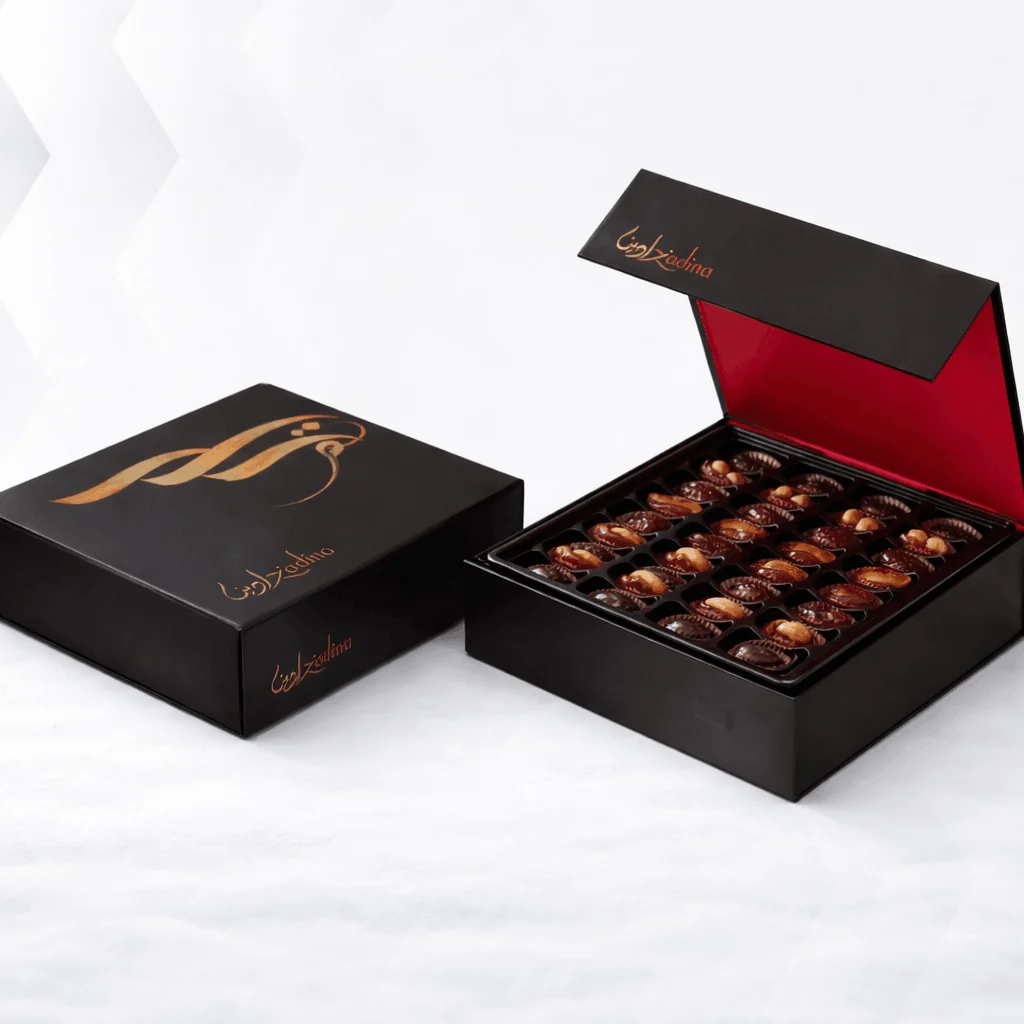
A defined coding area for best-before dates, batch numbers and allergen panels, with quiet zones left clear so a scanner reads the code first time.
View Product
Grease-resistant bag stock and a gusset sized for the weight of a hot order, built to fold flat in a stack behind the counter.
View Product
Formats for hotels, lounges and airline catering, where a pack is opened in front of the guest and then left standing on a table.
View Product
A rigid shell for a giftable selection, with a sealed interior so a delicate praline never takes on the smell of the box it travelled in.
View Product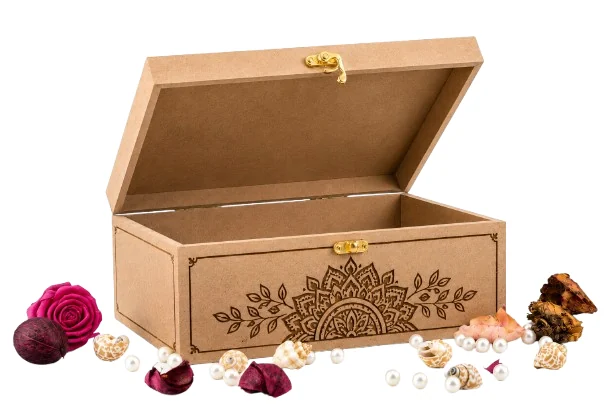
Rigid board and untreated timber trays for dates, nuts and dry goods that are better off breathing than sitting in a sealed plastic pocket.
View Product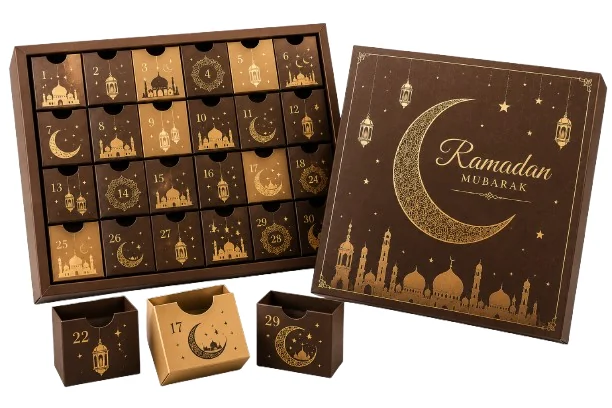
Seasonal volumes held against one approved specification, so a repeat order next year matches the box that launched the range.
View Product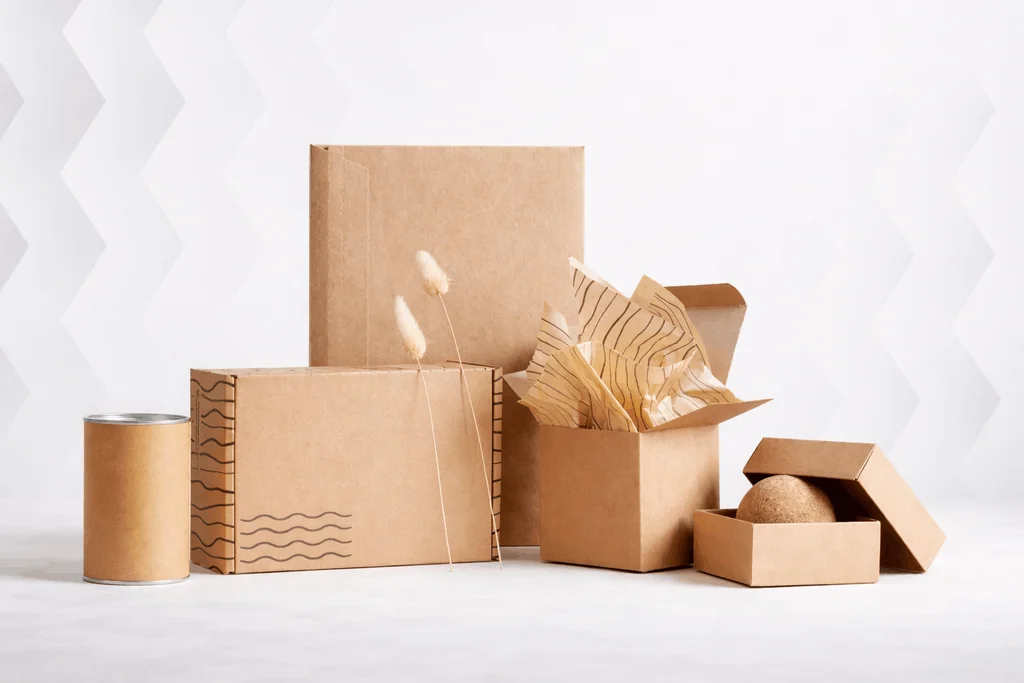
Bulk catering formats built for the load they carry and the heat they meet in a vehicle, with inserts that keep portions apart.
View ProductThe Three Barriers
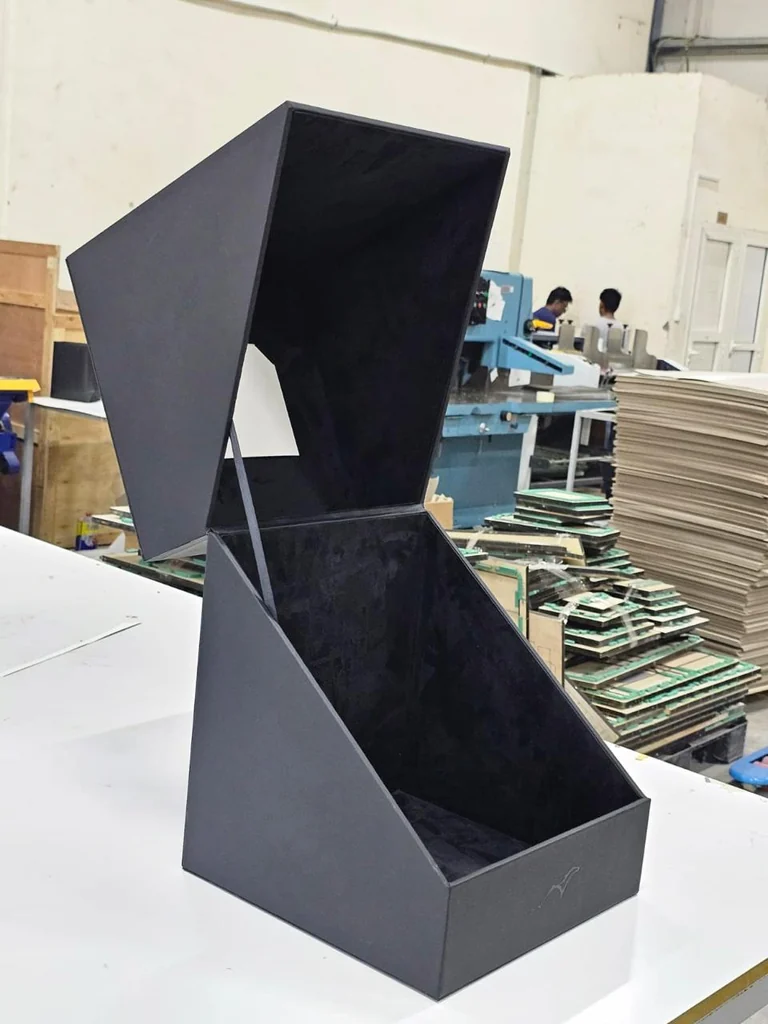
Every food packaging failure traces back to one of the three. Oil walks through untreated fibre and stains the print. Water vapour leaves the pack and ruins a crisp product, or arrives from outside and softens the board. Aroma is taken up by the fibre and handed out again on reuse. Each is a different specification, and buying a box that solves none is the commonest way food packaging is under-specified.
Capabilities
Board selection, barrier application, insert cutting, printing, coding and palletising happen on one floor in Dubai, so the seal, code and board are decided against one specification rather than three suppliers.
Food & Confectionery PackagingFood Boxes DubaiCustom Food BoxesFood Safe PackagingGrease Resistant BoxesConfectionery Packaging DubaiBakery Boxes DubaiCustom Printed Food Boxes
Fat content, water activity, aroma load, filled weight, storage temperature and shelf life, so the board and the lining come from the product rather than from habit.
Discuss This ServiceDrawings that show the coding panel, the insert cut and the sealing method, so a food safety reviewer can sign off the pack before it is built.
Discuss This Service
Wax, clay, polyethylene and film barriers bonded to virgin-fibre board, with every food-facing surface sealed and free of loose recovered fibre.
Discuss This ServiceMoulded pulp, folded board and paper dividers cut to the product, using adhesives and inks chosen to stay where they are put in a warm hand.
Discuss This ServiceInkjet, thermal and laser coding laid out against the artwork, with barcodes given the clear space they need to scan on a busy shelf.
Discuss This ServiceCases packed to your shipping format, stacked for the drive and delivered across the UAE with the window agreed against your own schedule.
Discuss This ServiceThe Case
Fat migrating through uncoated fibre stains the print and tells a customer the pack has failed. A rated barrier keeps the oil on the product side of the box.
Crisp snacks stay crisp and dried fruit stays soft when the pack is specified for water vapour rather than chosen on appearance.
Coffee and spice load into fibre and come back out later. A sealed barrier stops a pack borrowing a smell or handing one to its neighbour.
Batch number, best-before date and allergen panel in a fixed position, so a question about one run does not become a question about the whole range.
Sectors
A supermarket line and a spice house both sell food, and neither can use the same board. Here is who we build for and what each needs the pack to do.
 Retail
 Cafes
Bakery
Confectionery
Trading
Gifting
Delivery
Chilled
Cafes
Bakery
Confectionery
Trading
Gifting
Delivery
Chilled
Product Families
Filled shells, pralines and coated sweets put fat and sugar against the inside of the box. A rated barrier and mould-cut tray keep the selection square and the grease contained.
Warm product, condensation and a short shelf life. The structure is chosen for airflow and handling rather than for a long ambient life on a shelf.
Crisp food softens when the pack is too permeable and turns when oxygen gets in. Filled weight and stacking normally settle the board before the design does.
Roasted coffee and loose tea are aromatic enough to stain the fibre they sit against, and biscuits break in a bag that flexes. Both are packaging problems before recipe problems.
Ground spices are fine, dusty and intensely aromatic. Small packs need a seal that keeps powder out of the seams and odour in, with a lining the powder cannot migrate into.
Cold, condensation and a temperature cycle that carton board does not enjoy. Formats are built around the real hold time in a vehicle rather than around a label claim.
Finishing
Finishing is chosen differently for a pack that gets touched, breathed over and eaten from. Ink, foil, adhesive and varnish are specified as food-contact materials where the product can reach them; decorative work stays on the face nobody eats from.
Pricing
A food box is priced by what it has to keep out. Four variables move the number, and the barrier specification moves it furthest of all.
Oil resistance, moisture control and aroma isolation are the three decisions that cost real money. A product that needs none of them should not be paying for them.
Virgin-fibre food-grade board in a heavier caliper costs more than recovered stock, and a 2.5mm shell for a five-kilo load is a different order from a 350gsm carton for 200g.
A plain carton has no insert. A divided tray, moulded pulp bed or rigid shell with a bonded liner each add material, a tool and assembly time.
Coding lines, food-safe varnish, foil and printed panels are charged as setup plus per piece, and a longer run spreads all of it further across the batch.
Send the product, weight, how it is stored and the quantity. We come back with a barrier specification, board grade and unit price, and say plainly if a lighter build would do the same job.
Process
The order matters. A barrier settled after the dieline is drawn costs more and protects less, so the product is specified before anything is cut.
Weight, dimensions, fat and water content, aroma, storage temperature and shelf life, plus the run quantity and the date it has to be in hand.
We propose the board grade, the lining, the seal and the coding layout, then send a drawing and a written specification for approval.
A sample packed with your actual product and left in the conditions it will meet, so grease, odour and moisture are judged on the real thing.
Print and coding are confirmed on a production sheet, then board is cut, creased, lined, printed, coded and assembled to one specification.
Cases are stacked for the drive and delivered to Dubai, Abu Dhabi, Sharjah, Ajman, Umm Al-Quwain, Ras Al Khaimah and Fujairah.
Testing & Delivery
A barrier cannot be judged on an empty shell. We pack the sample with your product, leave it in the storage conditions you use, and let weaknesses show in days rather than at a customer shelf.
The sample goes out or sits with the item inside, so an oil ring, softened biscuit or borrowed smell is visible long before a run is committed.
Leave it in the chiller, the dry store or the delivery van it will meet. A carton that passes on an office desk in Dubai has proved very little about August.
Dates, batch numbers and barcodes are checked on the sample with a scanner, because a code that will not read cannot be corrected once it is on a pallet.
The approved barrier, board and coding layout are held on file, so a repeat order produces the same pack instead of a fresh set of assumptions.
Local
Dubai is a hard place to move food in and a good place to be strict about packaging. Heat, humidity, long road distances and mixed pallets mean a pack has to hold up well past the shelf it left.
That is also why the food build stays together in Dubai. The board, lining, seal, insert and coding are settled on one floor, so a repeat order next season produces the same barrier, print and code position your customers already approve. It is why our quotes hold up: we know what the pack has to stop, and what it costs.
Before You Order
Four answers decide most of a food box, three of them about the product rather than the carton. Put them in the brief and the first reply comes back close to final.
Oil, moisture, aroma and weight are the four forces that break packaging. Saying which of them applies is worth more to a supplier than a finished drawing.
A KIT rating or a barrier film is a specification rather than a preference. Tell us the food and we will tell you the resistance it needs to survive a shelf.
The coding panel, allergen statement and barcode need a fixed position agreed before artwork is locked. Moving them later is how a line stops scanning.
Ambient, chiller or freezer, palletised or hand-carried, opened once or reused. Storage and handling change the board caliper more than the artwork does.
Why Us
Food packaging fails at the joins between suppliers: a lining bonded by somebody else, a code applied by a third party, a board grade swapped because it was cheaper that week.
At Nivada Box board selection, barrier application, sealing, insert cutting, printing and coding are handled in our Dubai facility against one written specification. Keeping those together is what makes a repeat order match the sample you signed off, and lets us propose a cheaper build whenever the product does not need the expensive one.
Related
Ideas
Written by the people specifying the packs: what each barrier actually does, why a code has to be positioned before the artwork, and where food packaging usually gives up.
How trapped heat and condensation affect a boxed confectionery.
Read BlogHow board choice and insert density protect a bar between the fridge and the customer.
Read BlogKeeping a mixed selection sorted and presentable through transit.
Read BlogFAQ
It is the surfaces the food touches, not the box as a whole. A food-safe pack uses virgin-fibre board or board lined with a food-grade barrier, inks and adhesives chosen for food contact, and a seal that keeps residue away from the fibre. The print outside can be conventional; the layer against the product cannot be an unknown.
No, and the difference is where most failures come from. Food-grade describes what a material may touch. Grease-resistant describes a performance, normally a KIT number, saying how far oil travels into the sheet. A board can be food-grade and still let fat through, which is how a spotless-looking box ends up with a translucent ring outside.
Most do not, and it depends on the food rather than fashion. A coated or waxed board is enough for a dry biscuit or wrapped sweet. A barrier film earns its place when the product is oily, when shelf life depends on keeping oxygen and moisture out, or when the aroma load is high. We will tell you which side of that line your product falls on.
Aroma is absorbed into paper fibre and released later, so recycled or lighter board pressed against coffee, spice or garlic can return that smell to a more delicate product stored nearby. The answer has two halves: virgin-fibre board instead of recovered fibre, and a sealed barrier so the odour never reaches the fibre.
Weight sets the structure before design does. A carton holding under a kilo usually runs on 300gsm to 400gsm board in a simple tuck or crash-lock. A multi-kilo pack of dates, nuts or filled confectionery wants a rigid 1.5mm to 2.5mm shell or double-wall corrugated, with the base reinforced where the load sits.
Codes are a second operation applied over the printed carton, using inkjet, thermal transfer or laser depending on substrate and volume. The layout must be settled before the artwork is locked, so the date lands in clear space and the barcode keeps its quiet zone. We scan codes on the sample, because a code that will not read is a traceability problem nobody can fix after delivery.
They should not. A chilled or frozen item gives off condensation as it warms, and that moisture softens the board and ruins dry goods stored beside it. Frozen formats use a moisture-resistant outer board and a condensation-tolerant structure, packed away from ambient product. Where a mixed case is unavoidable, dry items go inside a sealed inner pack.
Yes. A pack that gets touched, breathed over and eaten from is finished with food-contact inks, adhesives and varnish rather than the decorative choices made for a keepsake. Foil and emboss still work on the outside face, but the varnish, laminate and adhesive are specified as food-contact materials because those are the layers the product reaches.
It moves with the structure, so we confirm against your brief instead of quoting one number. A printed folding carton on standard board can start lower than a rigid box with a moulded insert and coding line, because each adds a tool and a setup. Reordering against a specification we already hold is consistently the cheapest way to buy the same pack.
A food box is priced by what it has to keep out. A grease and moisture barrier, heavier food-grade board, a fitted insert and a coding line are the four things that move the number, and artwork is not one of them. Send the product, weight, storage and quantity, and we will price the barrier as well as the carton.
Yes. Food packs leave our Dubai facility for every emirate, and the arrival date is fixed against your production schedule rather than offered as a standard lead time. Stacking and drop handling are settled at the same time as the date, because a run that arrives crushed has already failed.
Getting Started
A food box is quoted off the product, not a catalogue. The more product profile you send, the closer the first number sits to the invoice.
What it is, how heavy it is, and whether it is oily, damp, aromatic, chilled or frozen once it is packed.
How it is stored, how long it has to keep, and whether the product rests directly against the inside of the box.
The batch, best-before, allergen and barcode panels you need, and whether print-ready artwork already exists.
Target run quantity, the date the finished packs need to be in hand, and whether this repeats a specification we already hold.
No drawing and no specification sheet? Send the product, its weight and a photograph, and we will propose a barrier and a structure you can approve.Send your brief
Enquiries & Quotations
Send the product, how it is stored and the run quantity, and we come back with a barrier specification, board grade, coding layout and a priced option for each.