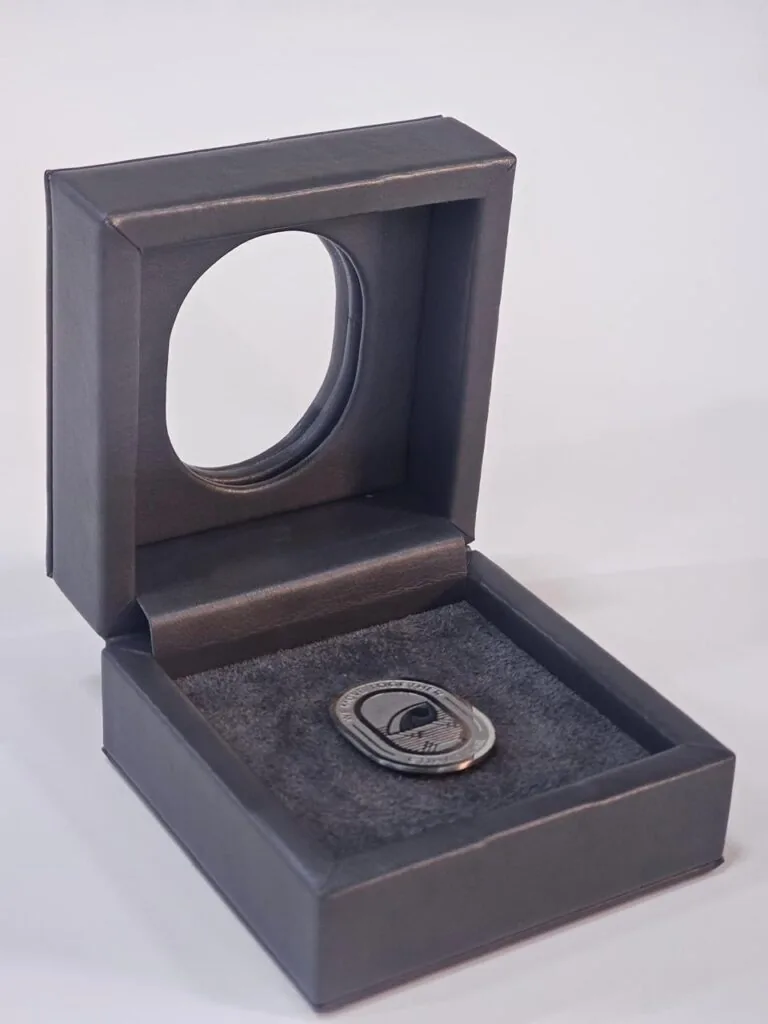

A chocolate hamper is easy to make look good on a table and harder to keep intact in a lift, a car boot and a doorway. Load ratings, compartments and closures are what decide whether it arrives as intended. We design a hamper that travels from the structure outwards.
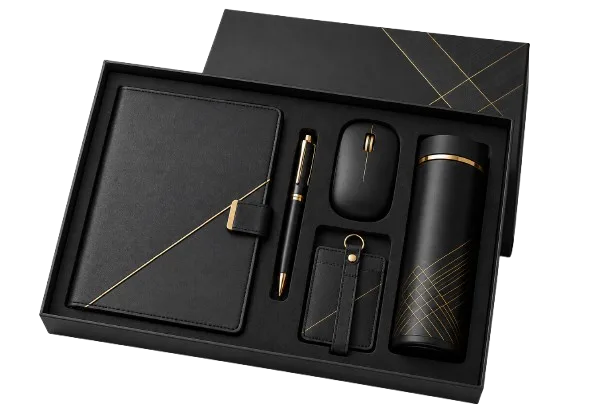
A loaded hamper box with compartments, a reinforced base and a lid that stays shut when carried.
Start with the load and the route
Weigh the contents as they will be packed, not piece by piece. That total sets the base, the walls and the way the box is picked up, because a hamper is carried by its base far more often than it is held from underneath with two hands.
Then look at the route. Distance, handling and how many times the box is lifted all change the specification. A hamper handed over at a reception desk has a different life from one that travels across the country in a boot with other luggage stacked on top of it.
Compartments that carry weight
- A base that supports the full load rather than resting on the insert.
- Cells sized to each piece so nothing shifts when the box is tilted.
- Heavier items placed low and near the centre to keep the box balanced.
- Dividers cut to full height so pieces cannot climb across during transit.
Chocolate is heavier than it looks, and a layer of pieces spread across a wide cavity puts a gentle but constant strain on the insert. Cells that meet the lid when it is closed, or an insert tray that takes contact at the top, move that strain away from the base where it does the most damage.
Closures that stay closed
A snug lid-and-base is the simplest answer and suits a hamper that travels once. A magnetic closure suits one that will be opened and closed repeatedly, because it holds the lid square without relying on friction alone. Either way, the closure must survive being carried by the lid for a few seconds.
Handles are worth considering when the load is awkward rather than heavy. A ribbon pull or a cut handle changes how the box is lifted, which changes where the stress sits, so we decide on the handle at structure stage instead of adding one at the end.
Protecting what is inside
Every piece needs its own space so surfaces do not rub and sugar finishes stay intact. Where pieces are glazed, we keep a small consistent clearance around each one. Where the selection includes both squares and rounds, we vary the cell shapes rather than forcing everything into a single grid.
We also think about the first opening. A hamper that arrives with pieces displaced damages the impression even when nothing is broken, so the layout is checked after a sample journey rather than only at the packing bench.
We build the hamper, pack it fully and carry it the way a recipient will. Look at the base for flex, check the closure after handling and open it to see how the arrangement has held. Fixing those points on the sample is where the design earns its keep.
Samples are approved before bulk production, so anything discovered on that test journey can still be corrected while the structure can be changed. It is the last inexpensive moment in the process, and it is the one that protects the presentation you designed the hamper for.
Designing a chocolate hamper that travels comes down to a supported base, cells that hold the load and a closure matched to how the box will be used. Get those right and the presentation survives the journey with the contents intact.
The Bottom Line
Confirm every choice on a physical sample before the run starts. Tell us what you are packing, how many you need and when you need it, and our team will come back with structure options, materials and pricing within a business day.